A good photograph needs three things: soft light, an honest subject, and patience. The countryside around Jodhpur offers all three within an hour of the city. Blackbuck graze beside mud-walled homes, women in bright cloth walk to the well, and winter skies fill with cranes. A well-planned Jodhpur village tour gives you time to wait for the right moment instead of rushing between stops. This guide covers the best light, the best spots, the right kit, and the manners that earn better portraits.
Bishnoi Village Safari in Jodhpur: Light, Timing and Subjects
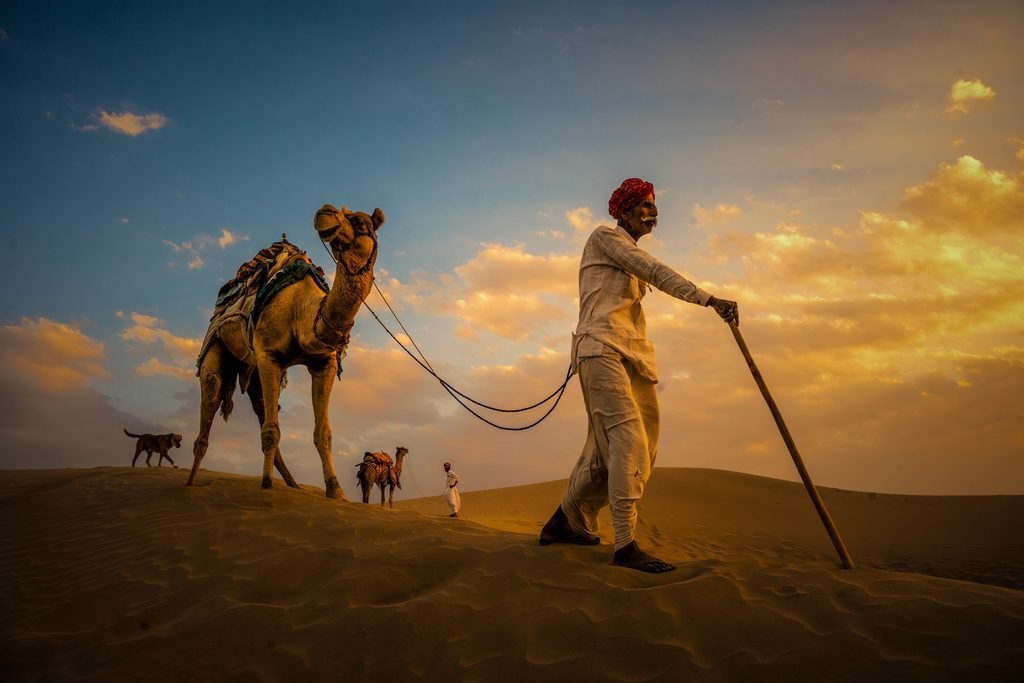
The community treats animals as family, so wildlife here behaves very differently from wildlife in a park. A Bishnoi village safari in Jodhpur puts you close to relaxed animals, calm villagers, and wide open scenery, which is a rare combination for any photographer.
Chase the Golden Hours
Early morning and late afternoon are your best friends. The sun sits low, shadows are long, and dust in the air turns light into a warm glow. Blackbuck and chinkara are also most active at these hours. Midday light is harsh and flat, so use that time for tea, craft stops, and quiet conversations, and keep your camera ready for the evening.
Wildlife Frames
Expect blackbuck with spiral horns, slim chinkara, nilgai, peacocks, and partridges. From September to March, demoiselle cranes gather in large flocks near the lake. Shoot from your vehicle, since animals accept it more calmly than a person on foot. Keep your voice low, wait for a natural pose, and let the animal decide how close to come.
Portraits and Daily Life
People make the strongest pictures. A weaver bent over a loom, a potter shaping clay, or a shepherd leading goats at dusk can each tell a complete story. Photograph hands, tools, and textures as well as faces, because those details often feel more honest than a posed smile.
Reading Animal Behaviour
Watch before you shoot. A blackbuck that lifts its head and freezes is deciding whether to move, so stay still and let it relax. Animals that graze calmly will often walk into a better position, and a patient photographer is rewarded with natural poses. Sudden movement, loud talk, or a flash will break the moment, so keep your actions slow and your voice quiet.
Guda Bishnoi Village Safari in Jodhpur: Best Spots for Great Frames
The area around Guda is the most photogenic stretch on the route. A Guda Bishnoi village safari in Jodhpur combines a lake, open scrubland, and traditional homes in a single compact loop, so you can capture wildlife, landscape, and culture before lunch. Guides at Bishnoi Village Safari know where animals gather and when the light looks best.
The Lake and Its Birds
Guda Lake is the centrepiece. Animals and birds come to drink, especially in the evening, and a viewing platform gives a clear line of sight over the water. In winter, thousands of migratory demoiselle cranes land here, and the sound of their calls adds drama to every frame. Bring binoculars so you can scan the shoreline before you raise the camera.
Village Lanes and Courtyards
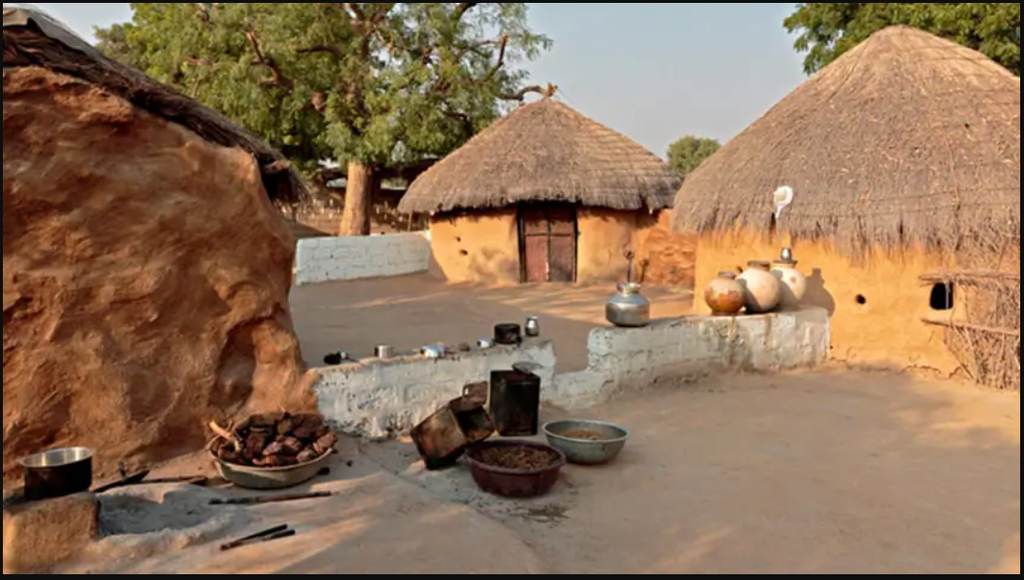
Mud walls, swept courtyards, and carved wooden doors make beautiful backgrounds. Look for repeating patterns, such as drying chillies, stacked pots, or hanging cloth, because these give your images texture and rhythm. Soft shade inside a courtyard also flatters faces, so ask your host if you may sit and wait for the light to settle.
Khejri Trees and Wide Horizons
The khejri tree is the symbol of the region, and it makes a strong silhouette at sunrise or sunset. Place a tree off centre, leave generous sky, and wait for an animal to step into the frame. The flat horizon of the Thar rewards simple compositions, so resist the urge to crowd the picture with too many elements.
Composition Ideas for Village Scenes
Try a low angle to make animals look larger against the sky. Use the doorways and arches of village homes as natural frames, and look for leading lines such as paths, fences, and shadows. Include a person or an animal for scale, and leave space in the direction they face.
Jodhpur Village Safari: Kit, Settings and Technique
You do not need expensive gear to take lovely pictures, but a few smart choices help. On any Jodhpur village safari, a flexible lens and a steady hand matter more than the newest camera body.
Your Kit Checklist
Pack these items before you leave your hotel:
- A zoom lens of 200 mm or longer for wildlife
- A standard lens or wide zoom for lanes and landscapes
- Two charged batteries and spare memory cards
- A lens cloth and blower to remove fine desert dust
- A small bean bag or cushion to steady your lens on the vehicle
- A hat, sunscreen, and plenty of water
Simple Settings That Work
For moving animals, use a fast shutter speed of around 1/1000 second and let the camera choose the aperture. For portraits in shade, open the aperture and keep the shutter steady enough to avoid blur. Shoot in raw if you can, since the warm light of dawn and dusk gives you more room to adjust colour later.
Protect Your Gear from Dust and Heat
Fine dust gets everywhere, so change lenses inside the vehicle with the window closed. Wrap your camera in a cloth between shots, and never leave it on a hot seat. After the trip, wipe the body and check the sensor before packing it away. A little care now prevents expensive repairs later.
Editing and Storytelling
Choose a handful of strong images rather than posting hundreds. Mix wide scenes, medium moments, and close details so that your set tells a story from morning to evening. Keep editing gentle, since the real colours of the desert are already rich. Add short captions naming the place and the craft, because context turns a pretty picture into a memory.
Photographing Rural Rajasthan: Respect and Planning
Great pictures come from good relationships, and every Jodhpur village tour is also a chance to meet people, so treat each subject as a person first and a photograph second.
Ask Before You Shoot
Always ask permission before photographing people, and be especially thoughtful with women and children. A smile and a gesture toward your camera usually works. If someone declines, accept it warmly and move on. Show the picture on your screen afterwards, since villagers often love seeing themselves, and consider sharing a print or a small gift later.
Best Season and Time
October to March brings cool mornings, clear skies, and migratory birds. Summer is hot and dusty, but early starts still give lovely light, and animals gather near water. After a good monsoon, the land turns green and fresh, which adds a new colour to your portfolio.
Reserve Early for the Best Slots
Light waits for no one, so a well-timed Jodhpur village tour needs good planning. Our team at Bishnoi Village Safari can match your pickup to the golden hours and keep your group small so that everyone gets a clear view.
Share Your Work Responsibly
When you post your pictures online, credit the place and the people, and avoid showing exact locations of sensitive wildlife areas. If a family helped you, send them a copy through your guide. Sharing with kindness keeps the doors open for the next photographer and supports a respectful and thoughtful kind of travel.
Conclusion
The best photographs from the villages are rarely the most technical. They are the ones taken with patience, respect, and a little luck at the right hour. Pack light, ask before you shoot, and let the day unfold. If you are ready to frame your own story, contact Bishnoi Village Safari and plan your visit today. Read why reserving in advance pays off, how payment works, and which animals and birds you may spot before you confirm. You can also read about local arts and crafts for more subjects to photograph.
Frequently Asked Questions
What is the best lens for village wildlife?
A zoom lens of 200 mm or longer works best for animals, while a standard zoom suits village scenes.
What time of day is best for photography?
Early morning and late afternoon give soft light and the most active wildlife.
Can I photograph villagers?
Yes, but always ask permission first and respect anyone who prefers not to be photographed.
Do I need a tripod?
Not usually, since a bean bag or a steady hand on the vehicle works better in a moving setting.
How long should I plan for photography?
Plan four to six hours, including travel, so that you never feel rushed at a good scene.