If you are planning a Desert Safari in Jodhpur, timing your trip right can make the difference between a magical evening and an uncomfortable one. The Thar Desert swings between extremes, from crisp winter mornings to scorching summer afternoons, and the season you choose shapes everything from camel comfort to sunset visibility. Most travelers assume any month works for a desert trip, but weather, temperature, and tourist crowds all shift dramatically across the year in Rajasthan. This guide breaks down the weather patterns, the best months to visit, and how temperature affects your ride, so you can plan a trip that matches exactly what you are looking for in 2026.
Jodhpur Weather for Safari: What to Expect Round the Year?
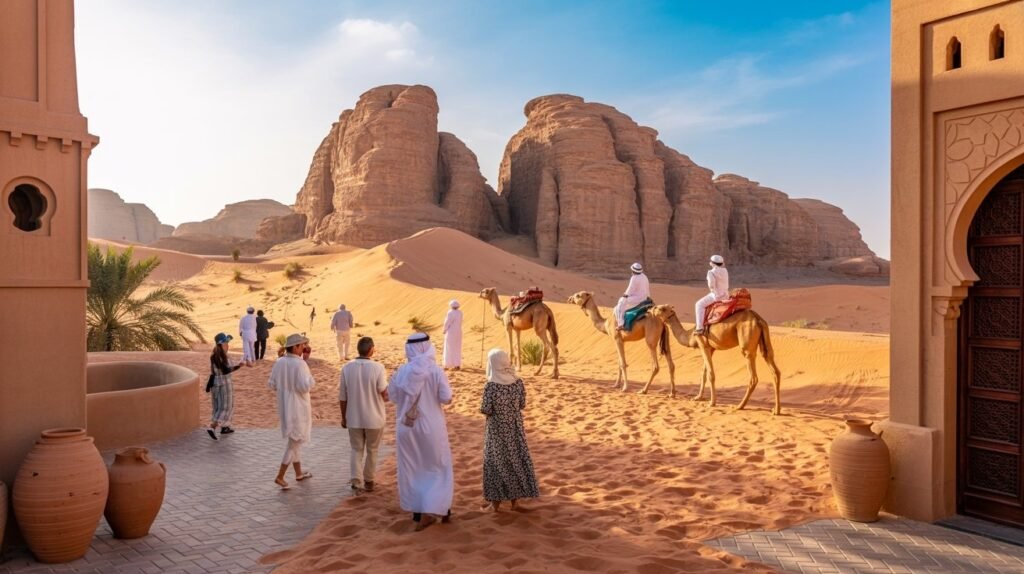
Understanding Jodhpur weather for safari planning starts with knowing that Rajasthan’s desert climate is dramatically seasonal. Days can swing from pleasantly warm to bitterly cold within the same 24 hours, especially in winter. Wind patterns also shift through the year, affecting visibility and comfort on the dunes. Knowing what a typical day looks like in your chosen month helps you dress correctly and choose the right time slot for your ride.
Monthly Weather Overview
October through February bring cool, dry days with clear skies, making them the most comfortable months for outdoor activity. March and April start warming quickly, while May and June are dominated by intense heat and dry winds. The monsoon months of July through September bring occasional rain and higher humidity, along with greener but less accessible desert terrain. September and early October act as a transition period, gradually cooling down as the peak season approaches. Even within a single month, temperatures can vary noticeably between the start and end of the week, so it always helps to check a short-range forecast right before you travel rather than relying on general seasonal averages alone.
How Weather Shapes Your Safari Experience?
Weather does more than affect comfort on a Desert Safari in Jodhpur, it also changes what you actually see and do. Clear winter skies mean better sunset colors and starlit evenings, while summer haze can dull visibility during the day. Wind speed affects how sand shifts on the dunes and how pleasant a camel ride feels. Rainy days can even pause activities altogether, so checking the forecast a day or two before your safari is always a smart move.
Winter Desert Safari: Why It’s the Most Popular Choice?
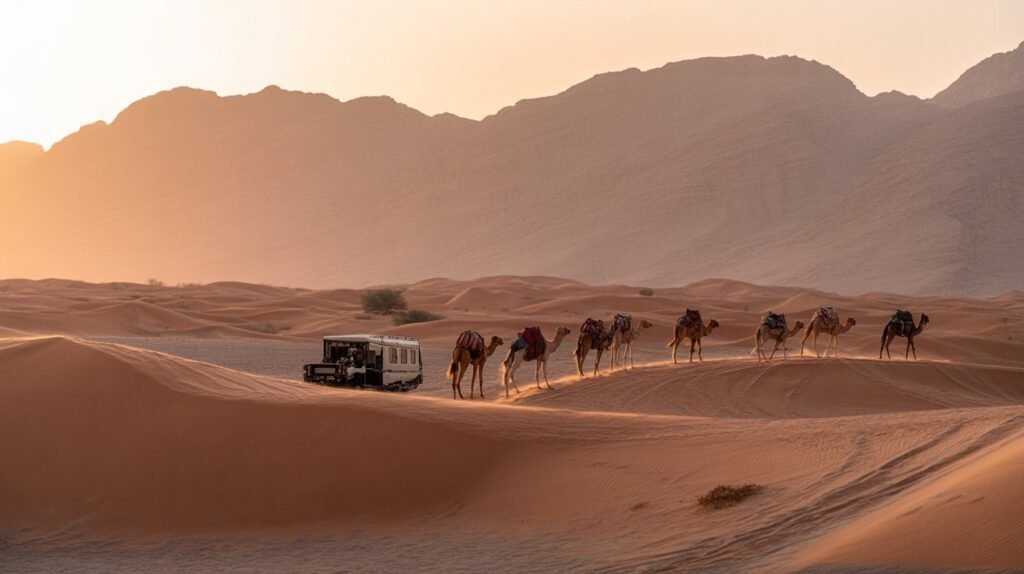
Visiting during the cool season is, by far, the most requested option among travelers heading to Jodhpur. From late October to early March, daytime temperatures sit in a comfortable range, and evenings cool down just enough for a cozy bonfire without becoming unbearable. This is peak tourist season for a reason: clear skies, manageable heat, and long stretches of pleasant weather make winter the easiest time to enjoy a full day or evening in the desert.
What Makes Winter Ideal?
Winter mornings and evenings offer soft light that is ideal for photography, while midday temperatures stay mild enough for extended activity without exhaustion. Camels themselves also handle winter conditions better, since extreme summer heat can affect their stamina and behavior. At Bishnoi Village Safari, our winter safari slots fill up fastest, so early booking during the December and January holiday weeks is strongly recommended.
Packing Essentials for a Winter Safari
If you are planning a desert safari in winter, a few packing essentials make the experience far more comfortable:
- A light jacket or shawl for chilly evenings and early mornings
- Comfortable closed shoes for walking on sand and uneven terrain
- Sunglasses and sunscreen, since daytime sun remains strong even in winter
- A scarf or stole to protect against dust and wind on the dunes
- A light blanket if you are staying overnight at a desert camp
Jodhpur Desert Temperature: Season-by-Season Breakdown
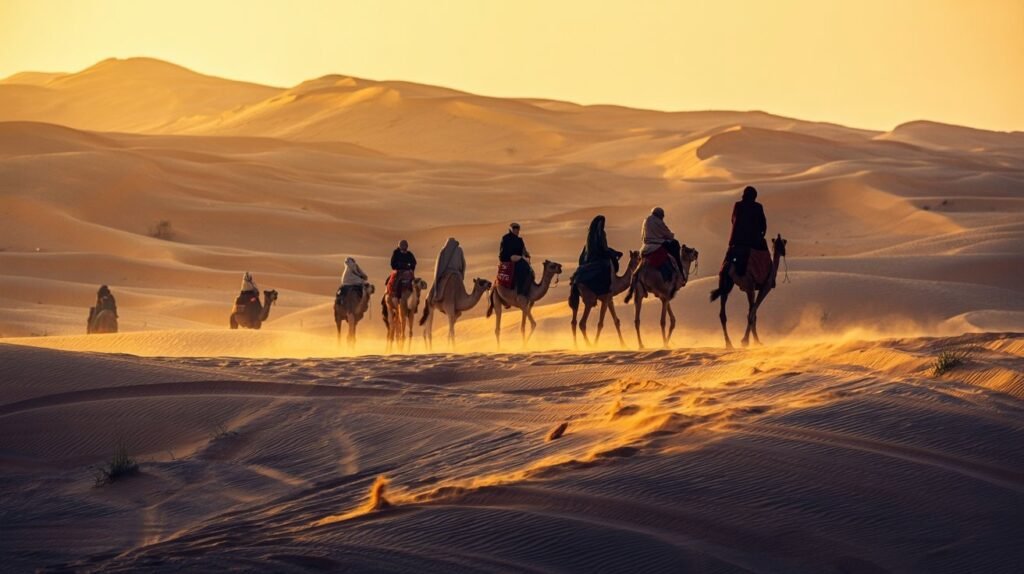
Knowing the Jodhpur desert temperature across different months helps you decide not just when to visit, but what time of day to schedule your safari. Winter days generally stay mild while nights can dip sharply, sometimes close to freezing in December and January. Summer flips this pattern entirely, with scorching daytime heat that makes early morning or late evening safaris far more practical than a midday ride.
Summer Temperatures: March to June
Summer in Jodhpur is intense, with daytime temperatures regularly climbing well above comfortable levels and dry desert winds adding to the heat. Midday safaris during these months are best avoided altogether. Early morning or post-sunset rides are the only realistic way to experience the desert comfortably during peak summer, and even then, hydration and sun protection become essential rather than optional. Loose, breathable clothing in light colors also makes a noticeable difference, and carrying extra water for both yourself and your guide is always a good habit during these hotter months.
Monsoon and Post-Monsoon Temperatures
Monsoon months bring a noticeable drop in temperature compared to summer, along with occasional rain showers that can cool the desert air significantly. Humidity rises during this period, which can make the heat feel different even when the actual reading is lower than summer peaks. By late September, temperatures begin their steady decline, setting the stage for the comfortable conditions that define the winter season ahead.
Best Season for Rajasthan Tourism: Planning Your Visit
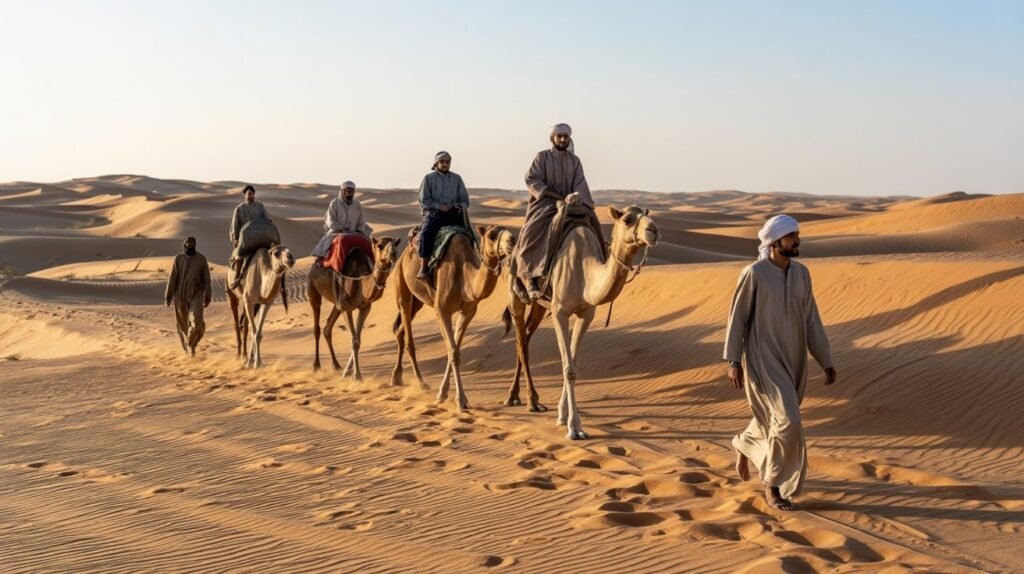
When travelers ask about the best season for Rajasthan tourism, the answer almost always points back to winter, and desert safaris are no exception. From October to March, comfortable temperatures align with clear skies, festival season, and the highest availability of guided tours and homestays across the region. This overlap is exactly why winter months see the highest number of visitors to Jodhpur and the surrounding desert areas.
Peak Season vs Off-Season Travel
Peak season, roughly November through February, brings the best weather but also the largest crowds and highest prices for tours and stays. Off-season months, particularly the monsoon period, offer lower prices, fewer tourists, and a quieter desert, though at the cost of heat or humidity depending on the month. Shoulder months like September and March strike a useful middle ground for travelers who want a balance of comfort and lower costs. Bishnoi Village Safari in Jodhpur adjusts timings seasonally, running earlier morning slots in summer and full evening safaris through winter, so you always get a comfortable ride regardless of when you visit.
Matching the Season to Your Travel Style
If your priority is comfort and classic postcard views, winter remains the clear choice for most travelers. If you prefer smaller crowds and don’t mind extra warmth, late September or early October can work well — and budget travelers willing to safari only in the early morning or evening hours can even find good value during these shoulder months. To make the most of your trip, check out our related read on wildlife spotting to know what else awaits you along the way.
Beyond the safari itself, Bishnoi Village offers a rich cultural experience worth planning around. If you’re still deciding whether this destination fits your travel list, our guide on the top 5 reasons to visit Bishnoi Village breaks down exactly why it’s worth the trip.
Final Thoughts
Whatever month you choose, planning your Desert Safari in Jodhpur around the season that suits you best will shape how comfortable, scenic, and memorable your trip turns out to be. Winter remains the easiest and most popular window, but each season has its own trade-offs worth weighing against your budget and tolerance for heat or crowds. A little planning around the calendar goes a long way toward making sure your ride, your photographs, and your evening under the stars all turn out exactly how you pictured them. When you are ready to book, Bishnoi Village Safari offers guided desert experiences timed to match the season, so you can enjoy the Thar Desert exactly when it looks and feels its best in 2026.
One Response