
Walk into a village near Jodhpur and you hear the work before you see it: the steady knock of a wooden loom, the hum of a potter’s wheel, the soft thud of a carved block meeting cloth. These sounds have carried across the Thar for generations. A Bishnoi village arts and crafts tour lets you watch that work up close, meet the hands behind it, and understand why every piece takes so long to make. This guide explains which skills you will see, how artisans keep their traditions alive, and how to travel and buy responsibly.
Art and Craft Tour in Jodhpur: Villages and Skills You Will Meet
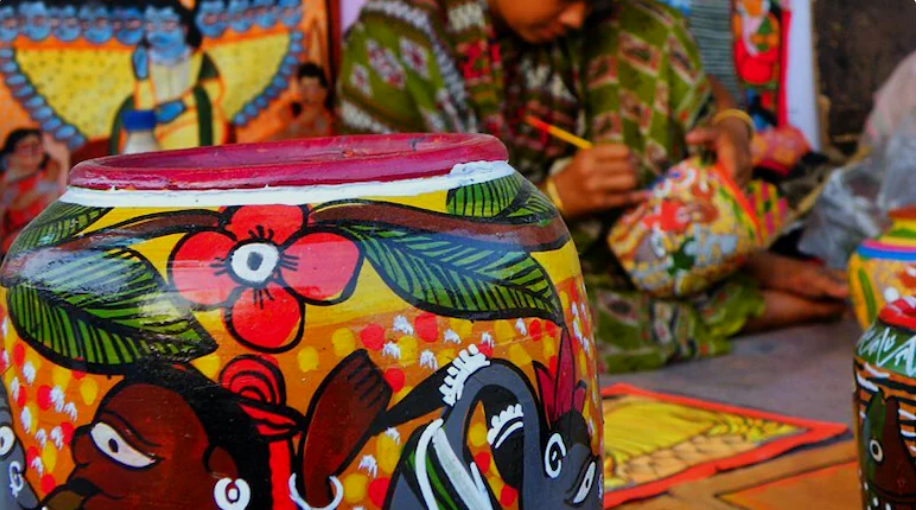
Jodhpur is known for its fort and blue lanes, yet the countryside around it holds a quieter treasure. An art and craft tour in Jodhpur usually links several small villages, each known for one skill, so a single morning can show you wool, clay, and cloth being shaped by hand.
Salawas and the Dhurrie Loom
Salawas is famous for dhurries, flat woven rugs made from cotton and wool. Weavers sit at wide wooden looms and pass the thread by hand, one row at a time. Stripes, diamonds, and geometric borders are handed down within families. A small rug can take days to finish, and a large one can take weeks, which explains both the price and the pride.
Singhasini and the Potter’s Wheel
Singhasini is a potters’ village where clay and sawdust are shaped on spinning wheels into pots, lamps, and cooling vessels. Watching a lump of mud rise into a smooth jar in seconds is a small piece of magic that children and adults enjoy equally. Many potters invite guests to sit at the wheel and try, and the laughter that follows is usually the best part of the stop.
Kankani and Block Printing
In Kankani, printers press carved wooden blocks into dye and stamp patterns across lengths of cloth. Every colour needs its own pass, and every block must line up perfectly with the last. The result is a repeating pattern of flowers, leaves, and geometric shapes that looks effortless but depends on steady hands and years of practice.
Why Watching the Process Matters
Seeing a craft being made changes how you value it. You notice the pause before a weaver changes colour, the way a potter wets his hands, and the care a printer takes to avoid smudges. Those details explain why handmade work costs more than a factory copy. They also turn a simple shopping stop into a story you can retell each time you use the piece at home.
Art and Craft Travel to Rajasthan: Why Artisans Keep Traditions Alive
Across the state, art and craft travel to Rajasthan has become a quiet lifeline for rural makers. When visitors come to watch and buy, a craft stops being a fading habit and becomes a living income.
Skills Passed Within Families
Most artisans learn by watching. Children sit beside parents at the loom or the wheel, handle scraps, and slowly take over small tasks. There is rarely a written manual. The knowledge lives in muscle memory, in family stories, and in small tricks that no classroom teaches. This is why every generation that stays in the trade protects something irreplaceable.
How Visitors Support the Work
Fair prices matter. When travellers buy directly from the maker, the money reaches the family instead of a long chain of middlemen. Guides at Bishnoi Village Safari choose stops where artisans are happy to demonstrate, explain their process, and sell at honest rates. That arrangement gives makers a reason to keep their workshops open and to teach their children the trade.
The Challenges They Face
Machine-made copies and cheap imports compete with handmade goods, and many young people move to cities in search of steady salaries. Artisans respond by adapting, with new colours, smaller items, and designs that fit modern homes while keeping the old technique intact. Thoughtful buyers help by choosing real handwork over polished imitations.
The Role of Women in Craft Households
In many households, women contribute at every stage, from spinning wool and preparing materials to finishing cloth and managing sales. Tourism gives them a respected way to earn from skills they already have, and it often strengthens their role in family decisions. Spending time with them, and listening to how they learned, adds a human depth that no museum display can match.
Bishnoi Village Craft: Where Beliefs Meet Handwork
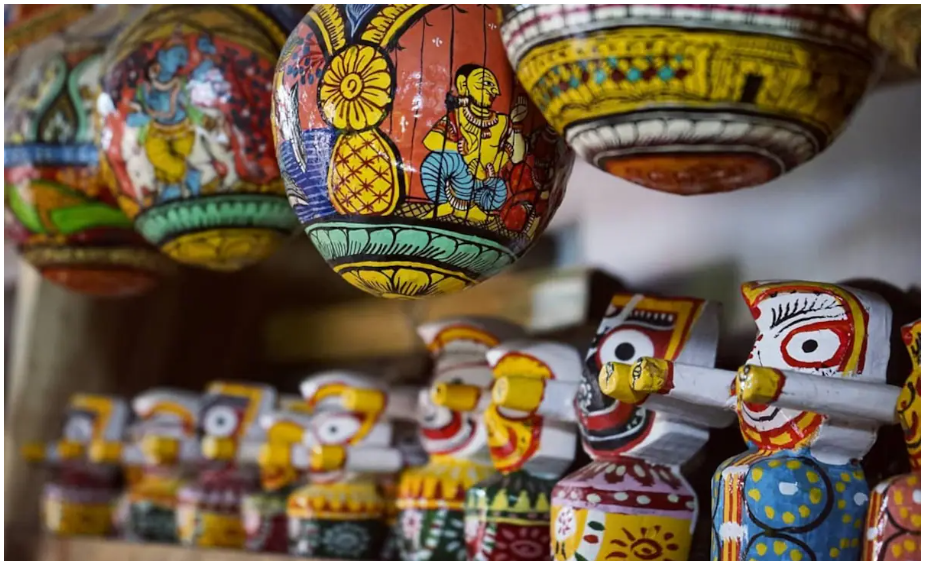
A Bishnoi village craft is never separate from the community’s values. The 29 principles encourage simple living and respect for trees and animals, and that attitude shows in the way materials are chosen and used. Wool comes from local sheep, clay from nearby soil, and wood is used with care because green trees are protected.
Slow Work and Natural Materials
Nothing here is rushed. Weavers, potters, and printers measure progress in rows, firings, and drying days rather than hours. Natural materials and patient methods mean that no two pieces are identical, and small variations are treated as a sign of authenticity rather than a flaw.
How to Buy Responsibly
A few simple habits make your purchases fair and meaningful:
- Buy directly from the artisan whenever you can
- Ask how long the piece took to make before discussing price
- Bargain gently, because these prices already reflect hours of labour
- Choose pieces you will actually use, such as rugs, pots, and printed cloth
- Carry small notes, since change is limited in villages
- Ask permission before photographing people or their workshops
Caring for Your Purchases
A little care keeps handmade goods beautiful for years. Shake and air a dhurrie instead of scrubbing it, and wash block printed cloth separately in cold water at first. Wrap pottery in soft cloth or newspaper for the journey, and ask the maker to pack fragile items securely. Good packing today saves disappointment later, and a short note from the maker about care makes a lovely keepsake too. Keep the artisan’s name with every piece you buy.
Planning Your Visit: Season, Timing, and Booking
Good planning makes the difference between a rushed stop and a memorable day with the makers.
What a Typical Day Looks Like
A typical Bishnoi village arts and crafts tour begins with a hotel pickup in Jodhpur and runs for about four to six hours. You usually visit a weaving village, a pottery village, and a block printing village, with tea or a simple village meal along the way. Wear comfortable shoes, carry water, and keep a little cash for purchases. Read why reserving in advance pays off and how to meet the Bishnoi community before you confirm.
Best Season and Time of Day
October to March brings pleasant weather and comfortable workshop visits, while summer afternoons can be very hot. Mornings are ideal because artisans are at work and the light inside open courtyards is soft. After a good monsoon, the countryside is green and the drive itself becomes part of the experience. Check the forecast the day before, carry a light scarf for dust, and let your guide know if you want extra time at any workshop, since the best conversations often grow from one curious question.
Reserve Early
Village hosts, drivers, and guides all need notice, so reserving ahead keeps your Bishnoi village arts and crafts tour smooth. Our team at Bishnoi Village Safari can suggest a route and a slot that suits your group. You can also read about the animals and birds near Jodhpur if you want to add wildlife to your trip.
Frequently Asked Questions
What crafts can I see on a village tour?
You can see dhurrie weaving, pottery, and block printing in villages such as Salawas, Singhasini, and Kankani.
Can I try the crafts myself?
Yes, many artisans let guests try the potter’s wheel or the loom under their guidance.
How long does a visit take?
A typical outing takes about four to six hours, including pickup and drop-off in Jodhpur.
Is bargaining acceptable?
Gentle bargaining is fine, but remember that prices already reflect hours of skilled labour.
What is the best time to visit?
October to March is the most comfortable, and mornings are best for watching artisans at work.
Conclusion
Every handmade rug, pot, and printed cloth carries the patience of the family that made it. Visiting those families, watching their hands, and buying with care helps their traditions survive for another generation. A journey like this also reminds us that the most valuable souvenirs are the ones with a face and a story attached. If you are ready to meet the makers, contact Bishnoi Village Safari and plan your visit today.
| Ready to Meet the Makers?Watch the loom, spin the wheel, and take home something truly handmade. Share your date, group size, and hotel with our team and reserve your slot today.Book Your Craft Visit Now |