Few travel memories last as long as the taste of a meal you cooked yourself. Desert food is simple, bold, and shaped by scarcity, and the best way to understand it is to stand at the stove beside a local cook. This guide explains what happens in cooking classes in Jodhpur, which dishes you may learn, how a session usually flows, and how to prepare. Read on to turn an ordinary lunch into a story you will retell back home.
Traditional Cooking Classes in Jodhpur: What You Will Learn
Marwari food was built for a dry land, where fresh vegetables were rare and ingredients had to last. That history explains the dried beans, millet flour, and generous ghee found in almost every kitchen. Traditional cooking classes in Jodhpur teach you not only recipes, but also the reasons behind them.
Signature Dishes
Most sessions cover a few classics. You may knead and shape the baked wheat balls called baati, cook the spiced lentils known as dal, and crush sweet churma to go with them. Other favourites include gatte ki sabzi, made from gram flour dumplings in a tangy yoghurt gravy, and ker sangri, a desert dish of dried berries and beans. A hot bajra roti with fresh butter often finishes the plate.
Spices and Desert Ingredients
Instead of ready made powders, many hosts start with whole spices such as cumin, coriander seed, and dried red chilli. You toast them, grind them on a stone, and notice how the aroma changes at each step. Millet, gram flour, buttermilk, and ghee appear again and again, because they travel well and keep the body strong in desert heat.
Fire, Clay, and Slow Cooking
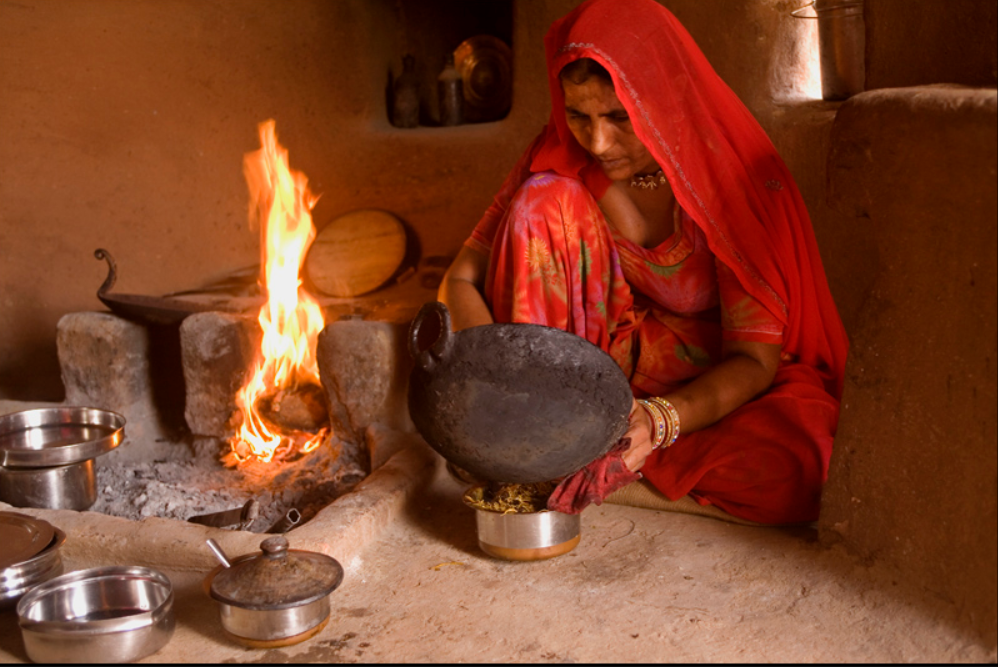
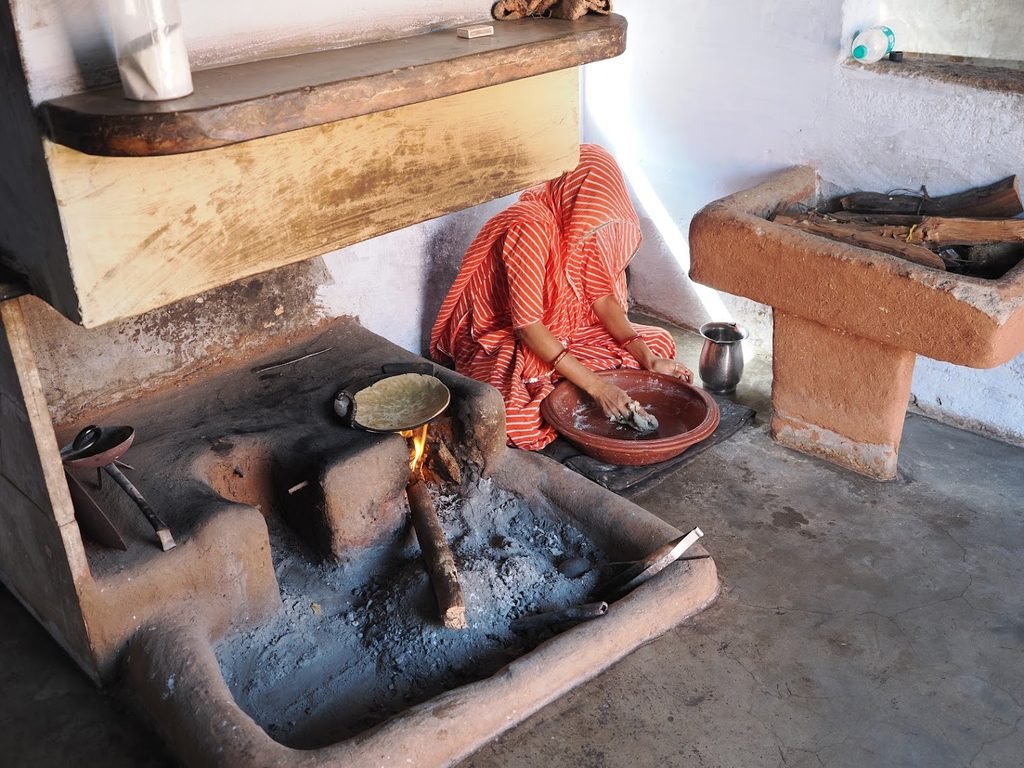
Some homes still cook on a wood fire or a clay stove, which gives food a smoky depth that no gas burner can match. Baati is often baked in embers, and lentils simmer for a long while until they turn creamy. Learning to read the flame, rather than a timer, is one of the quiet skills you take home from the lesson.
Street Snacks and Sweets
Jodhpur is also known for its snacks. Mirchi vada, a large green chilli stuffed with spiced potato and fried in gram flour batter, is a local favourite, and so is pyaaz kachori, a flaky fried pastry filled with onion. Many hosts end the lesson with makhaniya lassi, a thick, creamy and sweet drink, or a simple milk based dessert. These small dishes show how playful the cuisine can be beside its hearty main meals.
Jodhpur Cooking Class: How a Session Usually Works
A Jodhpur cooking class is usually small, relaxed, and led by a host who treats guests like family. Groups are kept compact so that everyone gets a turn at the stove and nobody is left watching from the back.
Arrival and Welcome
You are usually greeted with tea, shown around the kitchen, and introduced to the ingredients on the counter. The host explains the menu, the order of cooking, and any food customs worth knowing. This gentle start helps shy guests relax, and it sets a warm tone for the next two or three hours.
Cook, Taste, and Learn
Next comes the hands-on part. You chop, knead, stir, and season under guidance, and the host corrects your technique with patience and humour. Tasting along the way is encouraged, so you learn how salt, heat, and sourness balance. Questions are welcome, and many hosts share family stories while the pot simmers.
Sit Down and Eat Together
The session ends at the table. You eat what you have cooked, often with extra dishes prepared by the host, and conversation tends to flow easily after the effort of cooking. Many guests say this meal is the highlight of their stay, since the food tastes better when you know exactly how it was made.
Families and Small Groups
Classes work well for couples, families, and small groups of friends. Children enjoy shaping dough and watching the fire, while grandparents often share their own food memories. Hosts adapt the pace and the menu to suit the group, so nobody feels rushed or left out. If you travel with a larger party, mention it when you reserve, since kitchen space and seating may need extra arrangement.
What to Bring and Wear
A little preparation makes the class more enjoyable:
- Wear comfortable clothes that you do not mind getting dusty or oily
- Tie back long hair and remove rings or loose bracelets before cooking
- Mention allergies and dietary needs when you reserve
- Carry water, a notebook for recipes, and your phone for photographs
- Arrive hungry, because portions are generous
- Ask before photographing family members or their kitchen
Bishnoi Village Cooking Classes: Home Kitchens and Village Hospitality
For travellers who want a deeper experience, Bishnoi village cooking classes move the lesson out of the city and into a family courtyard. The setting changes everything, because you cook where the food is grown, eaten, and shared.
The Village Kitchen
Village kitchens are simple, clean, and full of character. Mud walls keep the room cool, and food is often cooked on a wood fire while hosts and neighbours drop in to chat. Ingredients come from nearby fields and from the family’s own store, so you see the full journey from grain to plate. Guides at Bishnoi Village Safari arrange visits with host families who enjoy welcoming guests.
A Vegetarian Tradition
The Bishnoi follow 29 principles that include compassion for animals, and their meals are vegetarian. This makes the cooking light, seasonal, and full of lentils, millet, and vegetables. Vegetarian travellers feel especially at home, and meat eaters often leave surprised at how satisfying a plant based village meal can be.
Combine Cooking With a Village Visit
Many travellers combine cooking classes in Jodhpur with a village outing that includes craft stops, wildlife viewing, and tea with a family. Our team at Bishnoi Village Safari can shape a day that flows from morning sightings to a relaxed lunch you help prepare. It is a gentle, memorable way to see how food, faith, and landscape connect.
Dining Etiquette in a Village Home
Good manners are simple. Wash your hands before eating, sit where the host invites you, and accept food with a smile. Hosts often offer second helpings as a sign of care, so say so politely if you are full. Try not to waste food, since grain and water are valued, and thank the cook before you leave. Small gestures like these are always remembered.
Planning Your Visit: Season, Timing, and Booking
Best Time to Join
October to March is the most comfortable season, with pleasant mornings and evenings. Summer can be very hot, so choose an early or late slot. Morning classes often end with lunch, while evening classes finish with dinner and a calm, lamp lit atmosphere. Confirm the start time with your host, since kitchens often begin work early. Skip heavy snacks beforehand.
Reserve Early
Hosts shop and prepare in advance, so reserving ahead is wise. When you plan cooking classes in Jodhpur, share your group size, food preferences, and pickup point. Read why reserving in advance pays off, how payment works, and how to meet the Bishnoi community before you confirm. You can also explore animals and birds near Jodhpur and local arts and crafts to build a fuller itinerary.
Take the Flavours Home
Ask the host to share written recipes, and note which spices you used. Many travellers buy a small packet of freshly ground masala from a local shop and carry it home as a souvenir. Cooking the same dish in your own kitchen a few weeks later brings the trip back in a single bite.
Frequently Asked Questions
Do I need cooking experience to join?
No, beginners are welcome, and hosts guide you through every step.
Are the classes vegetarian?
Most village sessions are vegetarian, and many city classes can adapt to your preferences if you ask.
How long does a session take?
A typical class takes about two to three hours, including the meal.
Can children join the class?
Yes, children can usually join and help with simple tasks under supervision.
What is the best time of year to go?
October to March offers the most pleasant weather for cooking and travelling.
Conclusion
A cooking lesson in Rajasthan gives you far more than a recipe. It gives you a seat in someone’s home, a taste of their history, and a skill you can use long after the trip ends. If you are ready to cook, eat, and learn like a local, contact Bishnoi Village Safari and plan your experience today.