Top 5 Thar Desert Camel Safari Routes to Explore from Jodhpur
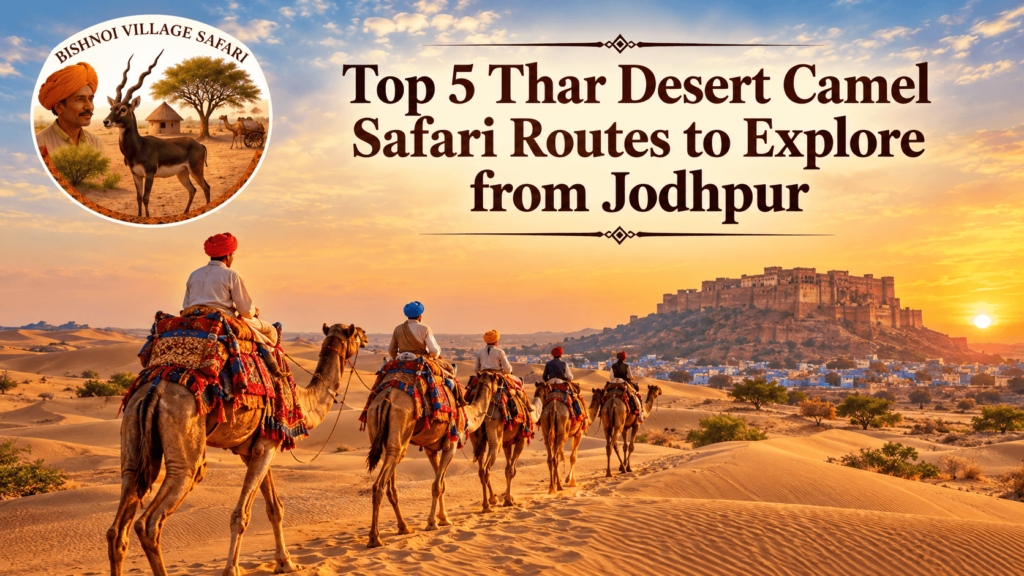
Rajasthan’s golden sands hold a kind of magic few places can match, and a Thar Desert Camel Safari in Jodhpur sits right at the heart of that magic. Every year, thousands of travelers land in the Blue City chasing the same dream: swaying camel backs, endless dunes, and sunsets that turn the sky orange and pink. But not every route delivers the same experience. Some trails stay close to the city, while others push deep into villages where life has barely changed in a century. This guide breaks down the top 5 routes so you can pick the one that matches your trip, along with real distances and practical tips. Jodhpur itself makes a smart starting point for any of these journeys. The city sits well connected by rail, road, and air, so travelers can land in the morning and be on a camel by afternoon. Its blue-washed lanes and the towering Mehrangarh Fort also give visitors a reason to stay a day or two before or after the desert leg of the trip. Thar Desert Safari Routes Worth Exploring Near Jodhpur Jodhpur works as the perfect base for several desert trails, and among the best-known Thar Desert safari routes, two stand out for first-time visitors. Some routes suit a quick half-day ride, while others stretch into full afternoons of dune-hopping. New visitors often start with routes closer to the city before venturing further out. Below are the first two routes on our list, both easy to book and ideal for a first desert experience. Route 1: Jodhpur to Osian, A Two-Hour Ride Through Ancient Dunes Osian sits roughly 65 kilometers from Jodhpur, making it one of the closest desert stops available. Known for its ancient temples and rolling dunes, Osian offers a two to three hour camel ride that ends with a classic desert sunset. Many first-timers pick this route because the drive out and back fits easily into a single day. Camel handlers here are experienced with beginners, so nervous riders adjust quickly. Route 2: Jodhpur to Khimsar, Fort Views and Taller Dunes Khimsar lies about 90 kilometers from Jodhpur and adds a historic fort to the mix. The dunes here are taller and more photogenic than Osian’s, which explains why photographers often choose this stretch. Camel rides typically last around two hours, timed to reach the highest dune before sunset. Khimsar suits travelers who want dunes that look like postcard images, without committing to an overnight stay. Jodhpur to Thar Desert Distance for Every Route Distance changes everything about a desert trip, and the Jodhpur to Thar desert distance varies a lot depending on which route you pick. Shorter routes near Bishnoi villages sit under 40 kilometers away, while routes near Jaisalmer stretch past 250 kilometers. Knowing the distance helps you plan travel time, meals, and whether an overnight stay makes sense. The next two routes show just how wide that range can get. Route 3: Jodhpur to Bishnoi Village, Culture Along the Camel Trail The Bishnoi villages sit only 25 to 40 kilometers from Jodhpur, among the shortest desert rides on this list. This route trades tall dunes for something rarer: a living community known for protecting wildlife and khejri trees for centuries. Local operators such as Bishnoi Village Safari run guided camel rides through this stretch, weaving in visits to potter families and opium ceremony demonstrations. Blackbucks and chinkaras often graze nearby, undisturbed by visitors. Route 4: Jodhpur to Sam Sand Dunes, the Longest Ride on the List Sam Sand Dunes near Jaisalmer sit roughly 285 kilometers from Jodhpur, making this the longest route on the list. Most travelers combine it with a Jaisalmer trip rather than a same-day Jodhpur outing. The payoff is scale, with dunes stretching for kilometers in every direction and camel safaris often paired with overnight desert camps. Budget a full day, or better, an overnight stay, if this route is on your list. Multi-Day Camel Trek Rajasthan Options for Longer Adventures Some travelers want more than a few hours on camelback, and that is where longer trips come in. These trips involve two or three nights camping in the open desert, cooking over open fires, and covering ground that a day trip simply cannot reach. Whether you choose a short ride or a longer one, a Thar Desert Camel Safari in Jodhpur adjusts easily to your schedule and comfort level. Group sizes for these longer trips usually stay small, often between four and eight riders, which keeps the pace relaxed and lets guides pay attention to each camel. Costs run higher than a half-day ride, largely because they include meals, tents, and a support vehicle carrying water and supplies for the whole route. Route 5: Jodhpur to Damodara, Two Nights Under the Open Sky Damodara village, around 45 kilometers from Jodhpur, works as a launch point for longer treks that push further into the desert over two to three days. Riders camp under open skies, eat meals cooked by local guides, and cover 15 to 20 kilometers a day at a relaxed pace. This kind of multi-day camel trek Rajasthan route suits travelers chasing something slower than a typical tourist itinerary. Nights get cold even in summer, so packing layers matters more than most people expect. Desert Trekking Rajasthan Tips Before You Book Your Ride Before booking any of these routes, a bit of preparation goes a long way. Good desert trips depend on the right clothing, timing, and operator, not just the scenery. October through March offers the most comfortable temperatures, with daytime highs around 25 to 30 degrees Celsius. Booking at least a week ahead during peak season, from November to February, helps you avoid last-minute price hikes. What to Pack for a Comfortable Desert Ride? Pack light cotton layers for the day and a warm jacket for the evening, since desert temperatures can swing by 15 to 20 degrees Celsius between noon and midnight. Sunglasses, a wide-brim hat, and sunscreen with SPF 30 or higher protect
What Is the Best Time for a Desert Safari in Jodhpur?
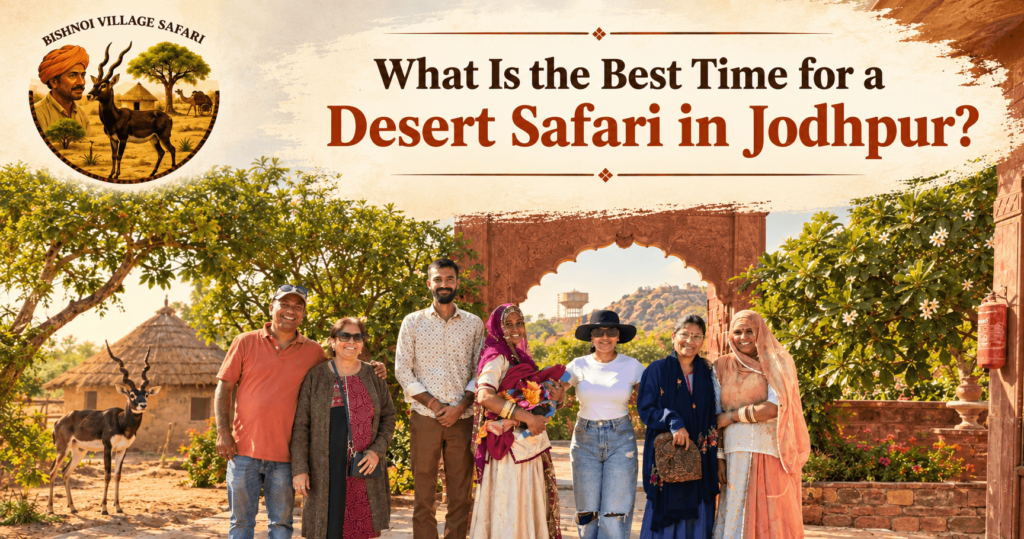
If you are planning a Desert Safari in Jodhpur, timing your trip right can make the difference between a magical evening and an uncomfortable one. The Thar Desert swings between extremes, from crisp winter mornings to scorching summer afternoons, and the season you choose shapes everything from camel comfort to sunset visibility. Most travelers assume any month works for a desert trip, but weather, temperature, and tourist crowds all shift dramatically across the year in Rajasthan. This guide breaks down the weather patterns, the best months to visit, and how temperature affects your ride, so you can plan a trip that matches exactly what you are looking for in 2026. Jodhpur Weather for Safari: What to Expect Round the Year? Understanding Jodhpur weather for safari planning starts with knowing that Rajasthan’s desert climate is dramatically seasonal. Days can swing from pleasantly warm to bitterly cold within the same 24 hours, especially in winter. Wind patterns also shift through the year, affecting visibility and comfort on the dunes. Knowing what a typical day looks like in your chosen month helps you dress correctly and choose the right time slot for your ride. Monthly Weather Overview October through February bring cool, dry days with clear skies, making them the most comfortable months for outdoor activity. March and April start warming quickly, while May and June are dominated by intense heat and dry winds. The monsoon months of July through September bring occasional rain and higher humidity, along with greener but less accessible desert terrain. September and early October act as a transition period, gradually cooling down as the peak season approaches. Even within a single month, temperatures can vary noticeably between the start and end of the week, so it always helps to check a short-range forecast right before you travel rather than relying on general seasonal averages alone. How Weather Shapes Your Safari Experience? Weather does more than affect comfort on a Desert Safari in Jodhpur, it also changes what you actually see and do. Clear winter skies mean better sunset colors and starlit evenings, while summer haze can dull visibility during the day. Wind speed affects how sand shifts on the dunes and how pleasant a camel ride feels. Rainy days can even pause activities altogether, so checking the forecast a day or two before your safari is always a smart move. Winter Desert Safari: Why It’s the Most Popular Choice? Visiting during the cool season is, by far, the most requested option among travelers heading to Jodhpur. From late October to early March, daytime temperatures sit in a comfortable range, and evenings cool down just enough for a cozy bonfire without becoming unbearable. This is peak tourist season for a reason: clear skies, manageable heat, and long stretches of pleasant weather make winter the easiest time to enjoy a full day or evening in the desert. What Makes Winter Ideal? Winter mornings and evenings offer soft light that is ideal for photography, while midday temperatures stay mild enough for extended activity without exhaustion. Camels themselves also handle winter conditions better, since extreme summer heat can affect their stamina and behavior. At Bishnoi Village Safari, our winter safari slots fill up fastest, so early booking during the December and January holiday weeks is strongly recommended. Packing Essentials for a Winter Safari If you are planning a desert safari in winter, a few packing essentials make the experience far more comfortable: Jodhpur Desert Temperature: Season-by-Season Breakdown Knowing the Jodhpur desert temperature across different months helps you decide not just when to visit, but what time of day to schedule your safari. Winter days generally stay mild while nights can dip sharply, sometimes close to freezing in December and January. Summer flips this pattern entirely, with scorching daytime heat that makes early morning or late evening safaris far more practical than a midday ride. Summer Temperatures: March to June Summer in Jodhpur is intense, with daytime temperatures regularly climbing well above comfortable levels and dry desert winds adding to the heat. Midday safaris during these months are best avoided altogether. Early morning or post-sunset rides are the only realistic way to experience the desert comfortably during peak summer, and even then, hydration and sun protection become essential rather than optional. Loose, breathable clothing in light colors also makes a noticeable difference, and carrying extra water for both yourself and your guide is always a good habit during these hotter months. Monsoon and Post-Monsoon Temperatures Monsoon months bring a noticeable drop in temperature compared to summer, along with occasional rain showers that can cool the desert air significantly. Humidity rises during this period, which can make the heat feel different even when the actual reading is lower than summer peaks. By late September, temperatures begin their steady decline, setting the stage for the comfortable conditions that define the winter season ahead. Best Season for Rajasthan Tourism: Planning Your Visit When travelers ask about the best season for Rajasthan tourism, the answer almost always points back to winter, and desert safaris are no exception. From October to March, comfortable temperatures align with clear skies, festival season, and the highest availability of guided tours and homestays across the region. This overlap is exactly why winter months see the highest number of visitors to Jodhpur and the surrounding desert areas. Peak Season vs Off-Season Travel Peak season, roughly November through February, brings the best weather but also the largest crowds and highest prices for tours and stays. Off-season months, particularly the monsoon period, offer lower prices, fewer tourists, and a quieter desert, though at the cost of heat or humidity depending on the month. Shoulder months like September and March strike a useful middle ground for travelers who want a balance of comfort and lower costs. Bishnoi Village Safari in Jodhpur adjusts timings seasonally, running earlier morning slots in summer and full evening safaris through winter, so you always get a comfortable ride regardless of when you visit. Matching the Season to Your Travel Style
How Much Does a Camel Safari in Jodhpur Cost in 2026?
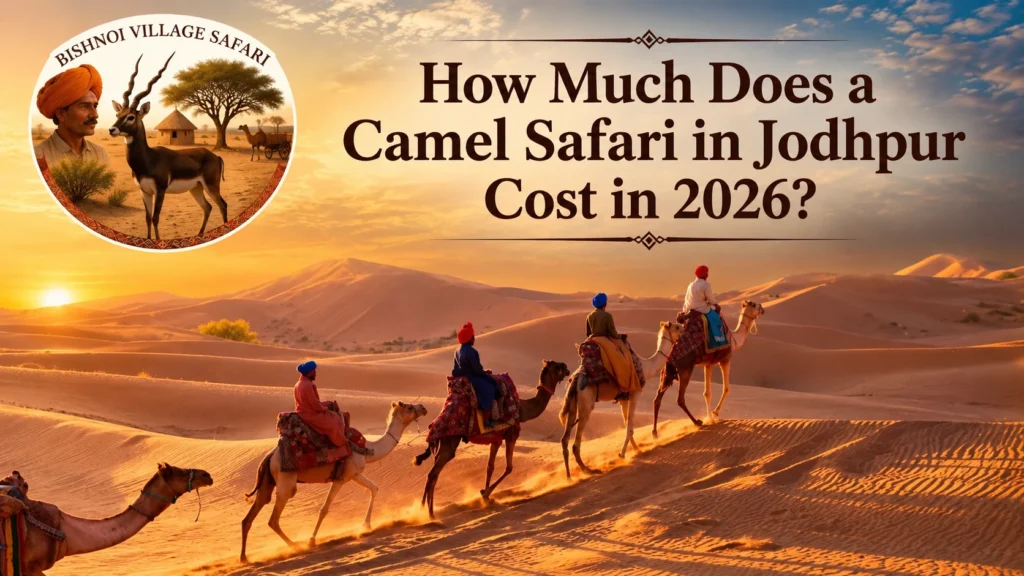
Planning a trip to the Blue City and wondering what a Camel Safari in Jodhpur actually costs in 2026? You are not alone. Desert adventures across Rajasthan have become one of the most searched experiences for travelers visiting Jodhpur, and prices can swing widely depending on the operator, the season, and what is bundled into your ride. Whether you are chasing a golden sunset over the dunes or planning a full evening with music and dinner under the stars, knowing the real cost breakdown helps you plan smartly and skip inflated tourist rates. This guide walks through package pricing, budget options, dinner safaris, and camp charges so you know exactly what to expect before you book. Camel Safari Package in Jodhpur: What’s Included in the Price A typical camel safari package in Jodhpur bundles a handful of essentials together: the camel ride itself, an experienced local guide, safety equipment, and usually a stop at a scenic dune point for photographs. At Bishnoi Village Safari, our packages range from a short sunset ride to a longer half-day excursion that weaves in village visits and cultural stops, so pricing depends heavily on how much ground you want to cover. Standard Package Inclusions Most operators price their camel safari around what is included rather than just the ride length. A basic package usually covers the camel, a guide, and a short desert loop. Mid-range packages add refreshments, a photo stop, and sometimes a folk music performance. Premium packages include transport from your hotel, a private guide, and extended time in the dunes. Reading the inclusions carefully before booking is the single best way to compare prices fairly across operators. Duration-Based Pricing: Half-Day vs Full-Day Duration is the biggest single factor behind cost. A one-hour sunset ride is the cheapest option and works well if you just want photographs and a taste of the desert. A half-day safari, typically two to three hours, costs more but adds village stops and deeper dune access. Full-day and overnight safaris, which include meals and sometimes camping, sit at the higher end of the price scale. Choosing the right duration for your interest level keeps you from overpaying for time you will not use. Other Factors That Influence the Overall Price Beyond duration, the overall Camel Safari in Jodhpur cost is shaped by the season, group size, and how far the safari route travels from the city. Peak winter months from October to March see higher demand and slightly higher rates, while the monsoon and peak summer months often bring discounted pricing. Larger groups typically pay less per person, since guide and transport costs are shared across the group. Cheap Camel Safari in Jodhpur: Budget-Friendly Options for 2026 If cost is your main concern, a budget-friendly desert ride is easy to find without sacrificing the core experience. The trick is knowing where operators cut costs sensibly, such as shorter routes or shared group timings, versus where cutting corners actually hurts safety or animal welfare. Choosing a reputable local operator over a resale agent is usually the easiest way to bring the price down. Group Safaris vs Private Safaris Group safaris are the most budget-friendly option because the cost of the guide, camel handler, and transport is split among several travelers. Private safaris cost more per person but give you flexibility on timing and pace, which suits couples or families who want a quieter experience. If your budget is tight, joining a scheduled group slot rather than booking a private one is the simplest way to save. At Bishnoi Village Safari, we run daily group slots through the season, which keeps our rates competitive without cutting corners on guide quality or camel welfare. For more on why travelers keep coming back, see our related read, Top 5 Reasons to Visit. Tips to Save Without Compromising the Experience A few practical habits keep a cheap camel safari in Jodhpur genuinely affordable instead of just cheap on paper: Camel Safari with Dinner: Sunset Rides and Desert Feasts Adding an evening meal to your ride is one of the most popular upgrades for travelers who want more than just a short trip. These evening safaris time your dune arrival with sunset, followed by a bonfire, live folk music, and a traditional Rajasthani meal served under the open sky. It turns a short activity into a full evening experience, which is why it commands a slightly higher price than a standalone ride. What a Dinner Safari Includes A typical dinner safari includes the camel ride to the dune camp, a bonfire setup, a folk music or dance performance, and a multi-course vegetarian or non-vegetarian Rajasthani dinner. Some operators also add a short cultural program or a stargazing session once dinner wraps up. Because more staff, food, and setup are involved, this option naturally costs more than a simple morning or afternoon ride. Average Cost of the Dinner Add-On Pricing for a camel safari with dinner generally sits well above a standalone ride, since it bundles transport, the meal, entertainment, and camp setup into one package. Group bookings bring the per-person rate down noticeably, while private or customized dinner setups sit at the premium end. Booking a day or two in advance during peak season also helps you lock in better rates before slots fill up. Desert Camp in Jodhpur Price: Overnight Stays and Add-Ons For travelers extending their evening into an overnight stay, understanding overnight stay pricing is just as important as the safari itself. Camps range from simple tented setups with basic bedding to well-appointed tents with attached bathrooms and proper furnishings. The price you pay reflects not just the tent quality but also the meals, entertainment, and transfers bundled into your overnight package. Camp Categories and Pricing Basic camps offer a simple tent, shared washroom facilities, and dinner, making them the most affordable overnight option. Deluxe camps step up with private bathrooms, better bedding, and a fuller entertainment program. Premium camps sit at the top end, offering spacious tents, personalized
How to Book a Bishnoi Village Safari in Jodhpur: Tips, Timing & Best Season
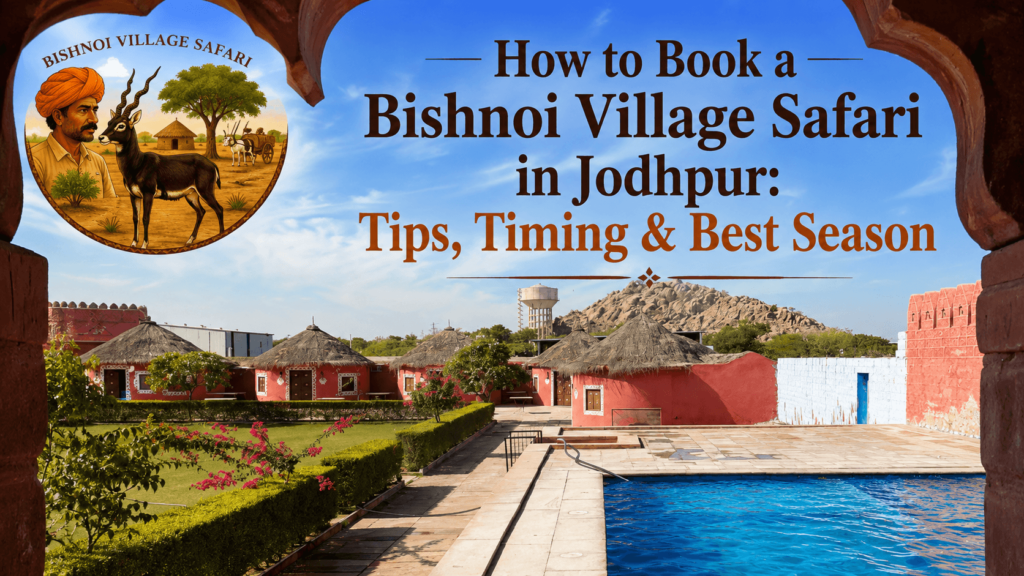
If you’re dreaming of camel trails, mud-walled huts, and blackbucks grazing under an open desert sky, Bishnoi Village Safari in Jodhpur deserves a spot on your Rajasthan itinerary. Away from the forts and bazaars of the Blue City, this safari takes you into the villages of Guda, Kakani, and Khejarli, home to the Bishnoi community, an eco-conscious sect that has protected local wildlife and greenery for over five centuries. Before you pack your bags, though, you need to know when to visit, how long to plan for, and how to book the right tour. This guide covers everything you need, from the best season to visit, to booking steps, safari duration, and pricing, so your trip runs smoothly from the very first click. Best Time To Visit Bishnoi Safari in Jodhpur Choosing the right season can make or break your desert experience. The best time for Bishnoi safari visits is between October and March, when daytime temperatures hover between 15°C and 28°C, ideal for jeep rides and village walks without the harsh summer heat. Winter Months (October to February) Winter is the busiest and most comfortable season. Mornings are crisp, evenings are cool enough for a bonfire, and wildlife sightings of blackbucks, chinkaras, and migratory birds around Guda Lake are at their peak. This is also when the region hosts its famous fairs and festivals, adding an extra layer of culture to your trip. Shoulder Season (March and September) If you prefer fewer crowds, March and September offer a good compromise. Temperatures start climbing but remain tolerable in the early morning and late afternoon, when most safaris are scheduled anyway. Summer (April to June) Summer in Jodhpur is intense, with temperatures often crossing 40°C. Safaris are still possible if you book early morning slots, but most travelers choose to skip this window unless it’s their only option. Whatever month you pick, aim for early morning or late afternoon departures, when wildlife is most active and the desert light is best for photography. A Quick Note on Monsoon (July to September) The monsoon brings short, unpredictable showers and a burst of green to the usually arid landscape. Wildlife sightings can be trickier since animals scatter across freshly watered patches, but the cooler air and dramatic skies make for striking photographs if you don’t mind carrying a light raincoat. Jodhpur Safari Booking: A Step-by-Step Process Jodhpur safari booking doesn’t have to be complicated, but a little planning goes a long way, especially during peak season when slots fill up fast. Step 1: Decide on Dates and Group Size Start by fixing your travel dates and the number of travelers. Most operators offer private jeeps for families and small groups, while larger groups may need to split across vehicles. Step 2: Book Directly or Through Your Hotel You can book your jodhpur village tour directly through the operator’s website, by phone, or through your hotel’s concierge desk. Booking directly usually gives you better control over timing and pickup points. Step 3: Confirm Pickup and Itinerary Once booked, confirm your hotel pickup time, the villages you’ll visit (commonly Guda, Kakani, and Khejarli), and whether lunch or refreshments are included. Step 4: Ask About Group Discounts Families or friend groups traveling together should always ask about combined rates. Many operators reduce the per-person cost once you cross four or five travelers, and some throw in a complimentary craft demonstration or an extra village stop for larger bookings. Step 5: Carry the Essentials Pack sunscreen, a hat, comfortable shoes, and a camera. Cash for tips and small purchases from local artisans is also handy, since many village stops don’t accept cards. For a smooth jodhpur village tour it’s worth booking at least two to three days in advance during winter, and even earlier if you’re traveling during a festival week. Village Safari Duration, Bishnoi Safari Price & What’s Included? Understanding village safari duration and cost upfront helps you plan the rest of your day in Jodhpur. How Long Does the Safari Take? Most tours run as half-day trips lasting four to five hours, though full-day options are available if you want to add a leisurely lunch with a local family or extra time for photography. What’s Typically Included? Understanding Bishnoi Village Safari Charges Bishnoi village safari charges typically ranges from budget shared jeep tours to premium private packages that include meals and extended village visits. Prices vary based on group size, vehicle type, and whether meals are included, so it’s worth confirming exact inclusions before you pay. Private tours cost more than shared ones but offer flexibility in pacing and stops, which matters if you want extra time for photos or conversations with artisans. Half-Day vs Full-Day: Which Should You Pick? A half-day trip suits travelers with a packed Jodhpur itinerary who still want a taste of village life and a couple of wildlife sightings. A full-day option makes sense if you want unhurried conversations with weavers and potters, a proper sit-down lunch, and time to watch the desert light change from harsh midday sun to a soft golden evening glow. Tips to Get the Best Value Compare a couple of operators before booking, ask exactly what’s included in the quoted rate, and confirm whether tips for guides and drivers are expected separately. Booking a shared jeep with other travelers is the most budget-friendly route, while a private vehicle costs more but lets you set your own pace. Jeep Safari in Rajasthan: Combining Your Village Visit with Other Adventures A jeep safari in Rajasthan doesn’t have to stop at the Bishnoi villages. Many travelers pair their village visit with dune-bashing near Osian or a longer desert circuit that includes sand dunes, temples, and rural markets. Pairing with a Camel Safari If you want a slower, more traditional experience, add a camel ride through the dunes before or after your village visit. The gentle pace lets you take in details, thatched huts, grazing goats, and the changing colors of the desert, that a jeep can rush
Why is the Bishnoi Village Safari Jodhpur a Must-Do Experience in 2026?
Rajasthan tourism is shifting away from crowded forts and palace queues, and more travelers are asking a simple question: where can I see how people in the desert actually live? That is exactly why the Bishnoi Village Safari in Jodhpur keeps showing up on 2026 travel lists. It is a half-day jeep tour through shepherd hamlets, weaver colonies, and potter settlements just outside the city, guided by locals who grew up in these villages. If you are weighing whether to add this to your Jodhpur itinerary, here is what makes it worth the detour, straight from the team at Bishnoi Village Safari. What Makes This an Authentic Rajasthan Village Tour? Most travelers researching the Bishnoi Village Safari in Jodhpur want to know one thing: is it staged for tourists, or is it real? The honest answer is that this route was a working rural circuit long before it became a tour. An authentic Rajasthan village tour does not follow a script, it follows the villages themselves, stopping wherever there is something genuine happening, whether that is a shepherd bringing goats in from grazing or a family repairing a loom. You are riding in an open jeep with a local guide, not a bus full of forty strangers, which keeps the pace unhurried and the interactions real. That difference, more than anything else, is what separates an authentic Rajasthan village tour from a typical sightseeing stop. Planning an Overnight Stay If a half-day safari leaves you wanting more, extending the trip into an overnight stay is worth considering. Our earlier guide to the homestay experience at Bishnoi Village Safari covers what a night in the village actually looks like, from the food to the quiet after the jeeps head back to town. Why the Jeep Format Matters? The choice of an open jeep over a coach is not just a comfort decision, it shapes the whole experience. Jeeps can pull over the moment a guide spots a blackbuck herd or a family starting a craft demonstration, something a larger vehicle simply cannot do on narrow village lanes. Groups typically stay small enough that everyone can ask questions directly, rather than straining to hear a guide over a microphone at the front of a bus. For travelers who have done a few group tours in India already, this format alone is usually the biggest difference they notice. Getting to Know Bishnoi Tribe Culture Understanding Bishnoi tribal culture is central to why this safari feels different from a standard desert tour. The Bishnoi community follows twenty-nine core principles set out around five hundred years ago by their spiritual leader, Guru Jambheshwar, many of which focus on protecting trees, water, and wildlife. That is why blackbucks and chinkaras wander close to homes without fear, and why cutting a green tree is still treated as a serious offense within these villages. Guides walk you through this history at an actual Bishnoi household, not from a plaque or a brochure, so Bishnoi tribal culture comes across as something lived, not displayed. Guru Jambheshwar and the 29 Principles Guru Jambheshwar founded the Bishnoi faith in the late fifteenth century, laying down twenty-nine principles that cover everything from daily hygiene to strict wildlife protection. Several rules ban the felling of green trees and the killing of animals outright, centuries before conservation became a global movement. Guides typically share a few of these principles during the safari, along with the story of the Khejarli massacre, where hundreds of Bishnois died protecting trees from being cut down. A Conversation, Not a Performance It is worth repeating that none of this is arranged as a show. Families continue their normal routines while guides translate and add context, so questions about food, farming, or faith get honest, unrehearsed answers. Some visitors are surprised by how willing Bishnoi families are to talk about the Khejarli sacrifice or their views on modern conservation, given how personal that history still is. It is this openness, more than any single stop on the route, that tends to stay with travelers long after the trip ends. A Stop at the Weaver Village in Jodhpur No visit is complete without stopping at Salawas, the weaver village in Jodhpur best known for handmade durries. Watching a family work a traditional loom, thread by thread, gives you a much better sense of the effort behind these rugs than any showroom display could. Most tours also let you buy directly from the weavers at Pukh Raj Durry Udhyog, cutting out the middleman entirely. Visiting the weaver village in Jodhpur on this route is usually paired with a stop at a block-printing workshop in Kankani, so textile lovers get two crafts in one afternoon. Other Village Stops Worth Your Time The Potter Village in Jodhpur The final art and craft tour is usually the potter village in Jodhpur, where families still shape clay on hand-turned wheels the way their grandparents did. You can watch the entire process, from raw clay to a finished pot drying in the sun, and most potters are happy to let visitors try the wheel themselves. It is a slower, quieter stop compared to the weaving village, but it rounds out the safari’s focus on disappearing crafts. Skipping the potter village in Jodhpur would mean missing one of the few places near Jodhpur where this centuries-old skill is still taught hand to hand. Why Eco-Tourism in Rajasthan Starts Here? Eco-tourism in Rajasthan is often talked about more than it is practiced, but this safari is one of the clearer examples of it working. The Bishnoi community’s own conservation ethic means wildlife sightings happen without any artificial baiting or enclosures, and tourism revenue goes directly to the families running homestays, jeep transport, and craft workshops rather than large operators. For travelers who care about where their money goes, this model of eco-tourism in Rajasthan is as important as the sightseeing itself. It is also why Bishnoi Village Safari continues to attract repeat visitors who want their trip to
Bishnoi Village Safari Jodhpur: A Local Guide to Rajasthan’s Real Side
Who Are the Bishnois, Anyway? The Bishnoi community was founded in the 15th century by Guru Jambheshwar, who laid down 29 core principles for his followers to live by (the name “Bishnoi” comes from “bees noi,” meaning twenty-nine in the local dialect). Many of these principles are about protecting wildlife and forests, and the community has taken that seriously for centuries. The most famous example is the Khejarli massacre of 1730, when 363 Bishnoi villagers — led by a woman named Amrita Devi — died hugging Khejri trees to stop the Maharaja’s soldiers from cutting them down for a palace construction project. That story alone is worth the drive out, and you can still visit Khejarli village today. What makes a visit here different from most tourist stops is that the Bishnois still live exactly by these values. Blackbucks and chinkaras wander freely near their homes, nobody hunts them, and the villagers treat this coexistence as completely normal rather than a spectacle. If you are planning a trip to Jodhpur and want more than forts and palaces, the Bishnoi Village Safari Jodhpur is the experience worth adding to your itinerary. This half-day tour takes you deep into the desert villages surrounding Jodhpur, where shepherd families, potters, weavers, and the Bishnoi community still live by traditions that go back centuries. Unlike typical city sightseeing, this safari is built around real village life, close wildlife encounters, and hands-on craft demonstrations. Whether you are visiting Rajasthan for the first time or returning for a deeper cultural experience, this guide walks you through everything you need to know before you book with Bishnoi Village Safari. Exploring the Bishnoi Village Experience: Rajasthan’s Wildest, Realest Adventure When people search for the Bishnoi Village Safari in Jodhpur, the jeep safari through desert villages is usually the first activity they find, and for good reason. The Bishnoi village jeep safari is the heart of this tour, and it is designed to feel personal rather than rushed. You are picked up from your hotel or homestay in an open jeep, and the first stop is usually a shepherd’s village where families still herd goats, sheep, and camels the way their ancestors did. From there, the route moves through Guda village, known for its lake and resident blackbucks, before continuing to Kankani, home to skilled block printers, and Salawas, the weaving village famous for handmade durries. Lunch is typically shared with a local family, giving you a rare, unscripted look at everyday Rajasthani hospitality. Every stop on this route is guided, so nothing feels like guesswork, and the jeep safari ends with plenty of time to relax before heading back to Jodhpur. What Makes This Jeep Safari Different? Many desert tours in Jodhpur focus on dunes and camel rides, but this one is different because it centers on people, not just scenery. Groups stay small, jeeps stop wherever guides notice something worth explaining, and there is no fixed script forcing you through stops at a set pace. That flexibility means two safaris on the same day can look completely different depending on what the guide notices, whether it is a flock of demoiselle cranes overhead or a family willing to demonstrate pottery techniques passed down for generations. Best Time to Book Your Safari August through March offers the most comfortable weather for this tour, with cool mornings that make the open jeep ride pleasant and wildlife more active. Summer visits are still possible, but an early morning start is essential to avoid the desert heat. Group bookings receive better rates, and travelers staying at the on-site homestay often get discounted packages. Booking a day or two in advance is recommended during the winter tourist season, when slots fill up quickly. Understanding the Bishnoi Community To really appreciate this safari, it helps to understand what the Bishnoi community in Jodhpur is built around. The Bishnoi people follow twenty-nine principles laid down by their spiritual leader, Guru Jambheshwar, roughly five hundred years ago. Many of these principles focus directly on protecting trees and animals, which is why blackbucks, chinkaras, peacocks, and other wildlife move freely and without fear through Bishnoi land. This is not a performance for tourists, it is a way of life that predates modern conservation movements by centuries. Visiting a Bishnoi household during the safari usually means sitting on the floor of a mud house, sharing tea, and listening to stories about the community’s history, including the famous Khejarli sacrifice, where hundreds of Bishnois gave their lives to protect trees from being cut down. This kind of hospitality, extended so openly by the Bishnoi community Jodhpur, is one of the most memorable parts of the entire trip. Daily Life in the Villages Beyond conservation, daily life in these villages revolves around farming, livestock, and close-knit family structures. Women are often seen managing households and livestock, while men handle farming and trade. Homes are simple, built from mud and thatch, and designed to stay cool through the desert heat. Children often help with smaller chores like feeding goats or fetching water, and it is common for visitors to be invited to sit and chat over chai, even without a shared language. Spending even an hour here gives visitors a far more grounded picture of rural Rajasthan than any museum could. Why Rural Tourism in Rajasthan Thrives Around These Villages? Rural tourism Rajasthan has grown steadily over the past decade, and the villages around Jodhpur are a big reason why. Travelers are increasingly looking for experiences that go beyond monuments, and this cluster of villages delivers culture, craft, and nature in a single half-day trip. Each village specializes in something different, which keeps the tour varied instead of repetitive, and instead of choosing between culture and nature, visitors get both in one route. Villages You Will Visit This mix of stops is exactly why rural tourism in Rajasthan continues to expand here. It gives independent travelers, families, and photographers a reason to spend a full day outside the city instead
Homestay in Bishnoi Village Safari: An Authentic Rajasthan Experience
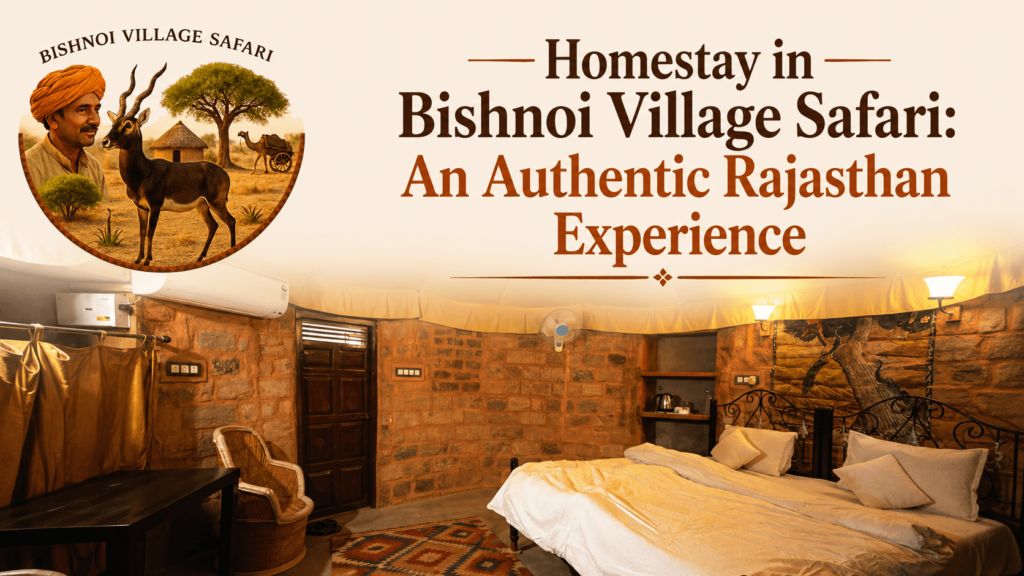
Nestled in the heart of Rajasthan, Bishnoi Village offers travelers a unique blend of cultural immersion, serene landscapes, and exhilarating desert adventures. From traditional art and craft tours to exciting camel safaris, the Bishnoi Village Safari is an unmissable experience for those visiting Jodhpur. This guide explores everything you need to know about the homestay experience in Bishnoi Village, including cooking classes, jeep safaris, and more. What is Bishnoi Village Safari? Bishnoi Village Safari is a cultural and eco-tourism initiative that allows visitors to delve into the traditions and lifestyle of the Bishnoi community. Known for their deep-rooted environmental conservation practices, the Bishnoi people welcome travelers to their villages to experience their way of life. The safari offers an array of activities, including art and craft tours, desert safaris, and homestays, making it one of the best ways to explore rural Rajasthan. Highlights of Bishnoi Village Safari Jodhpur The Bishnoi Village Safari Tour Jodhpur Experience The Bishnoi Village Safari tour in Jodhpur is meticulously curated to offer a balanced mix of cultural, natural, and adventurous experiences. The tour typically includes: Why Choose a Homestay in Bishnoi Village? Tips for Planning Your Bishnoi Village Safari Conclusion The Bishnoi Village Safari Jodhpur offers an unparalleled opportunity to connect with Rajasthan’s cultural roots while enjoying the thrill of desert adventures. Whether you’re exploring the dunes on a camel safari, learning traditional crafts, or savoring local delicacies during a cooking class, this experience is sure to leave you with lasting memories. Make your trip unforgettable by staying in a homestay in Bishnoi Village, where hospitality meets tradition. Plan your visit today and embark on a journey of discovery and adventure. For those seeking an authentic and immersive travel experience, the Bishnoi Village Safari tour in Jodhpur is the perfect choice. From cultural insights to thrilling jeep safaris, it’s a destination that truly has it all.
Bishnoi Village Safari: Experience Rural Rajasthan and Wildlife Up Close
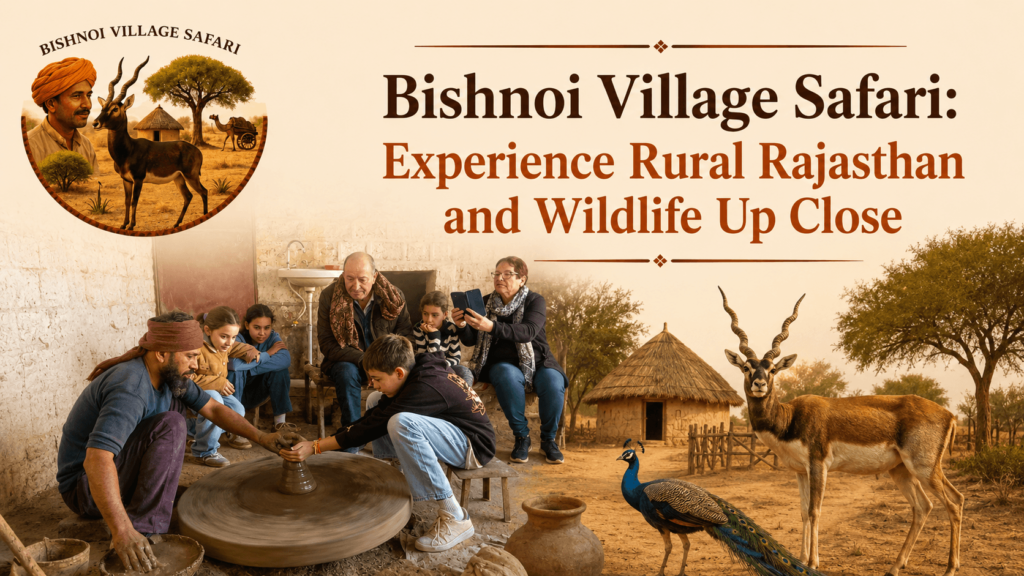
The vibrant and colorful state of Rajasthan is renowned for its majestic forts, golden deserts, and deep-rooted traditions. But beyond the bustling cities and iconic landmarks lies a serene and culturally rich experience– the Bishnoi Village Safari. For those eager to explore the authentic rural life of Rajasthan and immerse themselves in its unspoiled natural beauty, this safari offers a unique journey into the heart of the desert. Introduction to Bishnoi Culture and PhilosophyThe Bishnoi Village Safari community, known for their deep reverence for nature and wildlife, have upheld their eco-friendly way of life for over 500 years. Their spiritual leader, Guru Jambheshwar, laid the foundation of their faith, emphasizing environmental conservation and harmony with nature. This ideology is not just a way of life but a testament to their unwavering commitment to protecting wildlife and trees, making a visit to their villages a transformative experience. Highlights of the Bishnoi Village SafariThe Bishnoi Village Safari takes visitors through a series of villages that showcase the community’s lifestyle, values, and traditions. Along the way, you’ll encounter fascinating insights into their day-to-day lives: Craftsmanship and PotteryThe safari often includes a visit to local artisans who create stunning pottery and handloom textiles. Watching them at work is mesmerizing, and it offers a glimpse into the traditional techniques that have been passed down through generations. Wildlife SpottingThe Bishnoi region is a haven for wildlife, including blackbucks, chinkaras, and various bird species. The villagers’ protective attitude towards animals means these creatures roam freely, allowing for unparalleled opportunities to observe them in their natural habitat. Traditional Opium CeremonyA unique and culturally significant experience during the safari is witnessing the ceremonial preparation of opium, a practice symbolic of hospitality and tradition among the Bishnoi people. A Day on the SafariYour journey typically begins early in the morning, as you set off in a jeep for the villages. The open terrain of the desert provides stunning views, with occasional sightings of blackbucks darting gracefully across the sands. In the villages, you’ll interact with locals who are eager to share their stories, craft demonstrations, and warm hospitality. One of the standout stops is the Guda Bishnoi Lake, an oasis surrounded by lush greenery and frequented by migratory birds. Here, you can enjoy a tranquil moment while soaking in the natural beauty. Why Choose the Bishnoi Village Safari?While many visitors to Jodhpur opt for popular attractions like the Mehrangarh Fort or Jaswant Thada, the Bishnoi Village Safari offers something truly special: an authentic and unfiltered glimpse into rural Rajasthan. It combines the charm of a cultural immersion with the excitement of wildlife spotting, making it perfect for travelers seeking a unique adventure. Related Experiences in JodhpurTo enrich your visit, consider pairing the Bishnoi Village Safari with other activities in Jodhpur: Desert Safari in Jodhpur: Venture into the Thar Desert for a thrilling experience of dune bashing, camel rides, and traditional Rajasthani performances. Jeep Safari in Jodhpur: For those who enjoy off-road adventures, a jeep safari through the rugged terrains surrounding the city is an adrenaline-pumping activity. Art & Craft Tour Jodhpur: Dive into the city’s vibrant art scene with a guided tour of local artisans and workshops, where you can learn about Rajasthani craftsmanship. Cooking Class in Jodhpur: Learn the secrets of preparing authentic Rajasthani dishes in a hands-on cooking session led by local chefs. How to Plan Your VisitThe Bishnoi Village Safari is best experienced with a knowledgeable guide who can narrate the history, culture, and significance of the places you visit. Many local operators offer customizable packages, allowing you to combine this safari with other activities in Jodhpur. Make sure to carry comfortable clothing, sunscreen, and a camera to capture the stunning landscapes and unforgettable moments during the safari.The Bishnoi Village Safari is more than just a tour; it’s an opportunity to connect with Rajasthan’s cultural roots, marvel at its wildlife, and appreciate the simple yet profound way of life of the Bishnoi community. Whether you’re a nature lover, a culture enthusiast, or an adventurous traveler, this experience promises to leave you with memories to cherish for a lifetime. Embark on this journey, and let the charm of rural Rajasthan captivate your heart and soul.
Wildlife Spotting on Bishnoi Village Safari
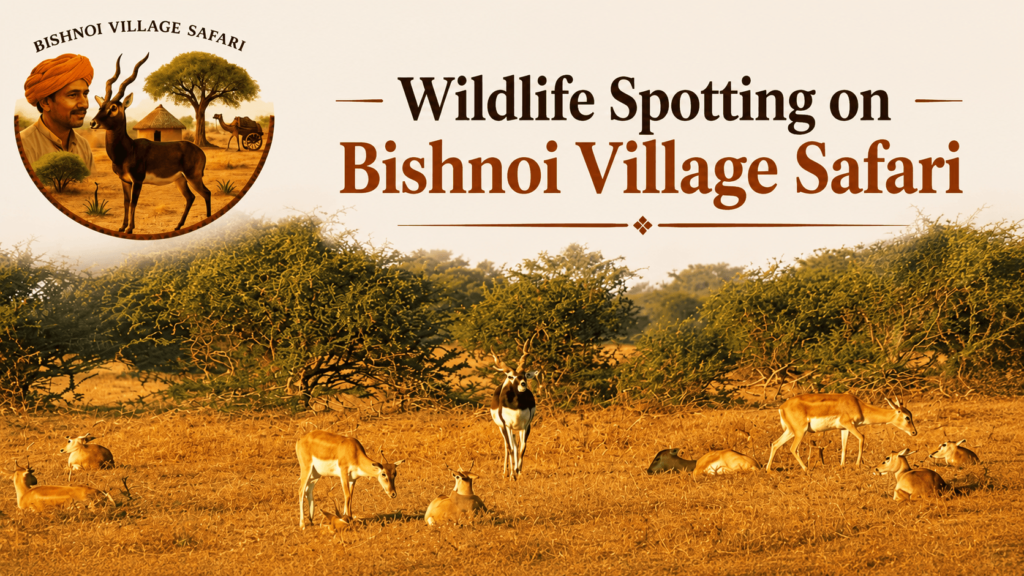
Bishnoi Village, located in the middle of Rajasthan’s arid landscape, is a peaceful sanctuary noted for its rich cultural legacy and ecological harmony. The Bishnoi Village Safari is one of the most compelling experiences here, immersing guests in the lively traditions of the Bishnoi village while also providing exceptional opportunity for wildlife watching. The Bishnoi Connection to Nature The Bishnoi community, often referred to as the first environmentalists of India, has a profound respect for nature. Their principles emphasize the protection of flora and fauna, making their villages a sanctuary for wildlife. This unique ethos sets the stage for a safari experience unlike any other, where humans and animals coexist in harmony. What Wildlife Can You Spot? How the Safari Works The Bishnoi Village Safari typically involves a guided jeep tour through various Bishnoi settlements and nearby wilderness areas. Knowledgeable guides provide insights into the community’s way of life while pointing out wildlife and explaining their behavior. Early mornings and late afternoons are the best times for spotting animals, as the cooler temperatures bring them out into the open. Tips for a Memorable Safari Beyond Wildlife: Cultural Immersion While the wildlife is a highlight, the Bishnoi Village Safari is also an enriching cultural experience. Witness traditional pottery-making, interact with local artisans, and learn about the Bishnoi’s unique customs and their unwavering commitment to conservation. Conclusion Wildlife spotting on a Bishnoi Village Safari is a journey into the heart of Rajasthan’s natural and cultural treasures. It’s an opportunity to witness rare and majestic creatures in their natural habitat while gaining a deeper appreciation for a community that has championed environmental sustainability for centuries. Whether you’re a nature enthusiast, a cultural explorer, or simply seeking tranquility, this safari promises memories that will last a lifetime.
Top 5 Reasons to Visit Bishnoi Village Safari in Rajasthan
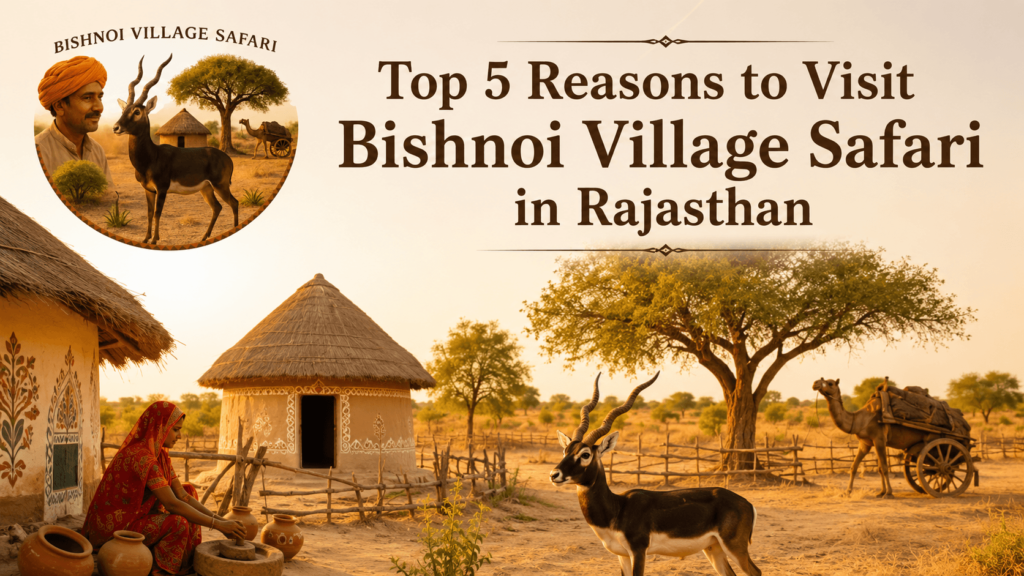
Rajasthan, a state known for its rich cultural heritage and stunning landscapes, offers travelers unique experiences that go beyond the traditional tourist attractions. One such gem is the Bishnoi Village Safari, a journey that immerses you in the vibrant local culture and breathtaking natural beauty. Here are the top five reasons why you should add Bishnoi Village Safari to your itinerary: 1. Experience Authentic Rajasthani Culture Visiting the Bishnoi Village is like stepping back in time. The Bishnoi community is renowned for its strong values of conservation and harmonious living with nature. During your safari, you’ll have the opportunity to interact with local families, learn about their traditions, and participate in their daily activities. This cultural immersion provides a genuine insight into rural life in Rajasthan, making it a must-visit for any traveler seeking an authentic experience. 2. Stunning Natural Landscapes The Bishnoi Village Safari takes you through some of Rajasthan’s most beautiful landscapes. From arid deserts to lush green patches, the scenery is diverse and breathtaking. As you explore the area, keep your camera ready to capture the stunning vistas and unique flora and fauna. The surrounding environment is home to various wildlife species, making it a great spot for nature enthusiasts and photographers alike. 3. Camel Safari Jodhpur Experience One of the highlights of the Bishnoi Village Safari is the opportunity to embark on a camel safari. This unique mode of transport allows you to traverse the vast desert landscapes while enjoying the gentle sway of the camel. Whether you’re a seasoned rider or a first-timer, the experience of riding a camel through the picturesque surroundings is unforgettable. Many tours also include sunset rides, offering a magical view of the desert as the sun dips below the horizon. 4. Commitment to Wildlife Conservation The Bishnoi community is famous for its commitment to wildlife conservation, particularly the protection of blackbuck antelopes and other local wildlife. By visiting Bishnoi Village, you support sustainable tourism and conservation efforts. The villagers actively engage in protecting their environment and wildlife, making this safari not just a leisure activity but also a chance to contribute to ecological preservation. 5. Delicious Local Cuisine No visit to Rajasthan is complete without indulging in its delicious cuisine. During your Bishnoi Village Safari, you can enjoy traditional Rajasthani meals prepared with locally sourced ingredients. From spicy curries to delightful sweets, the flavors of the region are sure to tantalize your taste buds. Sharing a meal with local families adds to the experience, making it more personal and memorable. The Bishnoi Village Safari offers a perfect blend of culture, adventure, and nature. From engaging with the local community to experiencing the thrill of a camel safari in Jodhpur, this unique journey is one you won’t want to miss. If you’re looking to explore the heart of Rajasthan and create lasting memories, make sure to include Bishnoi Village Safari on your travel list. Whether you’re an adventure seeker, a nature lover, or someone looking to understand the rich cultural tapestry of Rajasthan, this safari promises to deliver an unforgettable experience. Book your trip today and discover the magic of Bishnoi Village!