Where Can You See Blackbucks on a Bishnoi Village Safari?
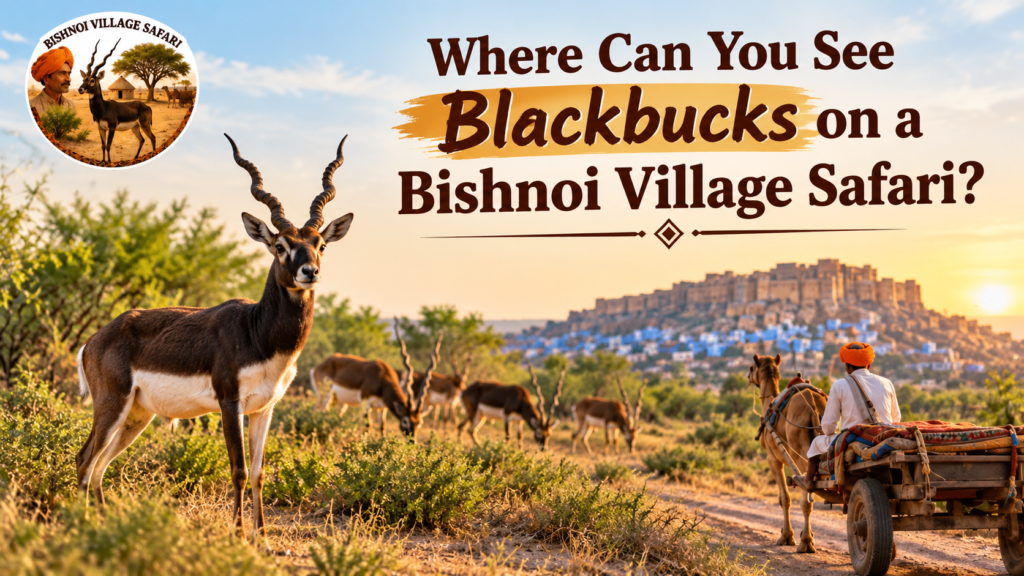
Spotting a herd of blackbucks running across open fields is the highlight of any village trip near Jodhpur. If you want to know where to see them, a Bishnoi village blackbuck safari is the best way to do it. These graceful animals live freely around the Bishnoi villages because the local community protects them like family. In this guide, we explain the best places, timings, and tour options in simple words, so you can plan a trip with a real chance of great sightings. Bishnoi Village Safari in Jodhpur: Why Blackbucks Live Here A Community That Protects Wildlife The Bishnoi people follow 29 life rules, and many of them tell followers to protect trees and animals. Hunting is strictly against their faith. Because of this, blackbucks, chinkara deer, nilgai, and peacocks feel safe and often walk close to homes and farms. Elsewhere in India, these animals are shy and hard to find. Here, they are calm and easy to watch. What Makes Blackbucks Special? The blackbuck is a graceful antelope known for its spiral horns and fast running speed. Males have dark brown or black coats with a white belly, while females and young ones are light brown. They move in herds and often jump high when they run. Watching them at sunrise, with soft light on the fields, is a moment most visitors never forget. Where the Villages Are The villages sit about 25 to 30 km from Jodhpur, so a Bishnoi Village Jeep Safari Jodhpur trip is easy to fit into a single day. Roads are good, and the sandy tracks inside the villages are covered by jeep. Most travelers reach the first stop within an hour of leaving the city. Bishnoi Village Jeep Safari: The Best Way to Spot Blackbucks Why a Jeep Works Best The village tracks are sandy and uneven, so regular cars cannot go far. A Bishnoi Village jeep safari takes you deep into open grazing land, where herds rest and feed. Guides know the paths and the animal habits, so they stop at the right spot and keep the engine low. Open jeeps also give clear views and easy photos. Top Places to See Blackbucks Blackbucks are usually seen in these areas: Guda Bishnoian is also a good place to watch birds, and in winter you may see migratory species near the water. Herds move from time to time, so your guide will pick the best track for the day. Wildlife Beyond Blackbucks Along the way you may also see chinkara deer, nilgai, desert foxes, peacocks, and many local birds. Some guides also show village homes and share simple stories about how families live beside the animals. Bishnoi women are known to feed and even care for orphaned fawns, which surprises many first-time visitors. Bishnoi Village Safari Day Tours Jodhpur: Timings and Routes Morning Tours Morning is the best time for sightings. Tours usually start between 7 and 8 AM, when animals are active and the air is cool. You spend the first hours in the fields, then stop at a Bishnoi home for a cup of tea and a chat. Most morning trips end around noon. Evening Tours If you prefer a relaxed start, choose the afternoon slot. Tours begin around 3 PM and finish with a golden sunset. Blackbucks come out to feed as the heat drops, so evening also gives good chances of sightings. The soft light makes it a favorite for photographers. Full Day Combos Many Bishnoi Village safari day tours in Jodhpur plans mix the jeep ride with craft visits, a village meal, or a camel ride. These combos take six to eight hours and give a complete look at rural life. Local teams such as Bishnoi Village Safari can plan the route by season, so you get the best view of the herds without rushing. Bishnoi Village Tour Jodhpur: Best Season and Simple Tips Best Time of Year The ideal season is October to March. Days are pleasant, the fields are greener after the monsoon, and animals move around more. Summer tours are still possible, but it gets very hot, so choose an early morning slot and carry plenty of water. The monsoon brings green land and fewer visitors, though tracks can be muddy. Tips for a Better Experience For a smooth Bishnoi Village tour in Jodhpur, keep these points in mind. Wear light cotton clothes in neutral colors like brown, beige, or olive, because bright shades can make animals nervous. Speak softly, keep a safe distance, and never chase or feed the animals. Carry a camera with a zoom lens if you can, and keep your phone on silent. Your guide knows the safest way to approach the herd, so follow the advice. Respect the Village These villages are homes, not tourist sites. Ask before taking photos of people, do not litter, and support the families by buying handmade items and small snacks. Responsible visitors help keep the tradition alive. Bishnoi Village Safari, Jodhpur Bookings: What to Know How to Reserve Choose the type of tour, the date, and the number of guests, then confirm the pickup point. In winter, book at least a day early because this is the busy season. Private and shared options are both available, and families often prefer private jeeps for comfort. What the Price Covers Most plans include the jeep, a driver, and a guide. Meals, craft visits, and camel rides may be extra, so ask for a clear list before you pay. Final Thoughts Blackbucks are easy to see when you go with local guides who know the land and the animals. Start early, dress in soft colors, stay quiet, and enjoy the calm of rural Rajasthan. Whether you like a short jeep ride or a full-day plan, there is a tour for you. To enjoy a memorable Bishnoi Village blackbuck safari, connect with Bishnoi Village Safari today and see these beautiful animals in their natural home. Frequently Asked Questions Our Location
How Far Is Bishnoi Village from Jodhpur?
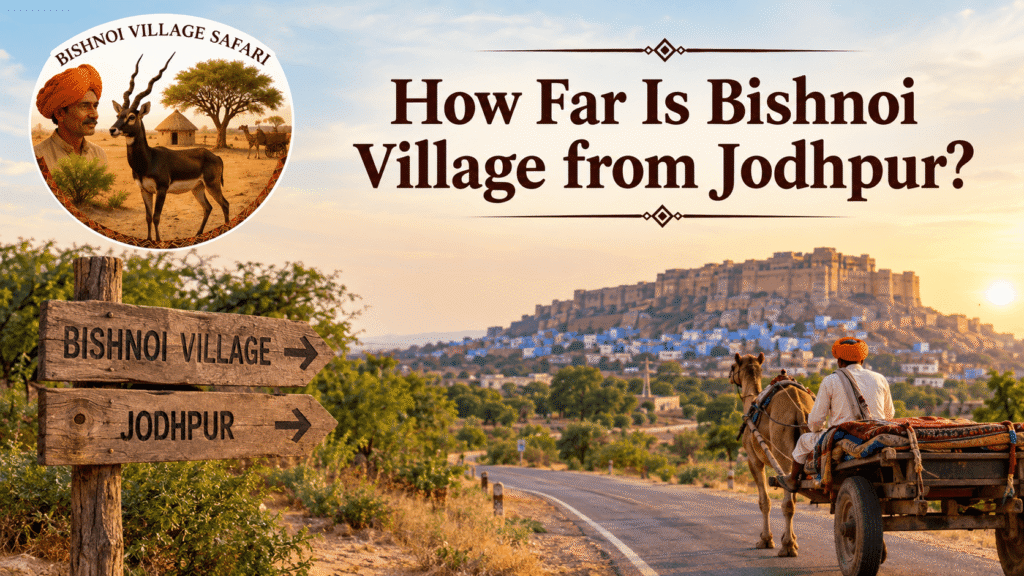
If you are planning a rural escape from the Blue City, the first practical question is the Jodhpur to Bishnoi village distance. The good news is that these villages lie close to the city, so you can enjoy a full cultural and wildlife experience without spending hours on the road. In this guide, we explain the exact distance, travel time, routes and transport options, along with tips to plan your day smoothly from hotel pickup to drop. Quick Answer: Distance and Drive Time The Bishnoi villages sit roughly 20 to 25 kilometres from the centre of Jodhpur, and the drive usually takes 30 to 45 minutes depending on traffic and your starting point. The Bishnoi village in the Jodhpur region lies along the road towards Udaipur, which makes it easy to reach by car, taxi or a pre arranged tour vehicle. Most travellers treat it as a half day outing, since the short distance leaves plenty of time for village stops and wildlife spotting. Distance to Guda Bishnoi Village Guda Bishnoi is the most popular stop, known for its lake, blackbuck herds and peaceful surroundings. It lies about 25 kilometres from the city and takes around 40 minutes by road. The route is smooth, with farms and Khejri trees lining the way. Distance to Salawas Village Salawas is closer, at roughly 20 kilometres and a 30 minute drive. It is famous for dhurrie weaving and pottery, and many tours begin or end here. Because the two villages are near each other, you can see both in a single trip. Travel Time from Key Points in Jodhpur From the Old City and Hotels Hotels near the clock tower and forts are about 22 to 25 kilometres away, so plan for roughly 40 minutes. Morning traffic near the markets can add a few minutes, so leave a small buffer. From the Railway Station and Airport The railway station is a short drive from the city centre, and the village trip adds about 40 minutes on top. The airport is close to the city, so the total transfer from arrival to the villages is usually under an hour. This makes a same day visit realistic even if you land in the morning. Best Ways to Cover the Distance Since the jodhpur to bishnoi village distance is short, you have several convenient options. Here is a quick comparison to help you choose: For most visitors, a guided pickup is the smartest option, because the driver already knows the village lanes and the best spots for wildlife. You can read our local guide to Rajasthan’s real side to see what a village safari includes before you decide. Getting Around Once You Arrive Village lanes are narrow and some tracks are unpaved, which is why open vehicles work best. A bishnoi village jeep safari takes you through dusty trails, past shepherd camps and to water points where blackbuck gather. Your local guide explains customs, crafts and wildlife along the way, so the short drive becomes part of the experience rather than just a transfer. Best Time to Travel and Avoid Delays The distance is small, but the season and hour still matter. Winter from October to March is the most comfortable time, while summer afternoons can be harsh. Early departures also help you avoid city traffic. To plan the perfect hour, read our guide on how to book a Bishnoi village safari in Jodhpur, with tips on timing and the best season, and confirm the latest Bishnoi village safari timings with your operator before you leave. How Far Is It from Other Rajasthan Cities? If you are staying outside Jodhpur, the journey becomes much longer. Jaipur is around 330 kilometres away and takes five to six hours by road, so a same day trip is tiring. Udaipur and Jaisalmer are also roughly five hours away. Osian, known for its temples and dunes, is about 65 kilometres from the city. The best plan is to spend at least one night in Jodhpur and visit the villages on a relaxed morning or afternoon. What You Can See Near the Route? The drive itself is scenic. You pass Khejri trees that the community protects, small farms and roadside craftsmen at work. At the villages you can meet potters, weavers and shepherds, sit with a Bishnoi family for tea and learn about the Khejarli sacrifice that inspired their conservation values. Around the lake you may spot blackbuck, chinkara, peacocks and migratory birds in winter. Planning Your Day Around the Drive A short distance gives you plenty of flexibility. A popular plan is to leave your hotel around 8:00 AM, reach the first village by 8:45 AM and spend the morning meeting artisans, riding through wildlife trails and enjoying tea with a local family. Keep your phone camera ready, because the roadside scenery, grazing herds and colourful village homes make for wonderful photos even before you arrive. You can be back in the city by lunch and still visit a fort or market in the afternoon. If you prefer a slower pace, start after lunch and finish near sunset, when the light is golden and the heat has faded. Road Conditions and Safety Tips The main highway is well maintained, but the last stretch to the villages can be narrow and dusty. Avoid driving after dark, since cattle and wildlife sometimes cross the road. Keep your phone charged, save your driver’s number and carry enough water. Mobile signal can be patchy in remote pockets, so download offline maps before you leave the city. Travelling With Family or a Group The short drive suits families with children and older travellers, because there is no long transfer to endure. Ask for a vehicle with comfortable seating and enough space for cameras and bags. Groups often prefer a private vehicle so they can set the pace, stop for photos and enjoy meals together. Let your operator know about any special needs in advance so the day feels easy for everyone. Carry snacks and
What Is the Cost of Bishnoi Village Safari Per Person?
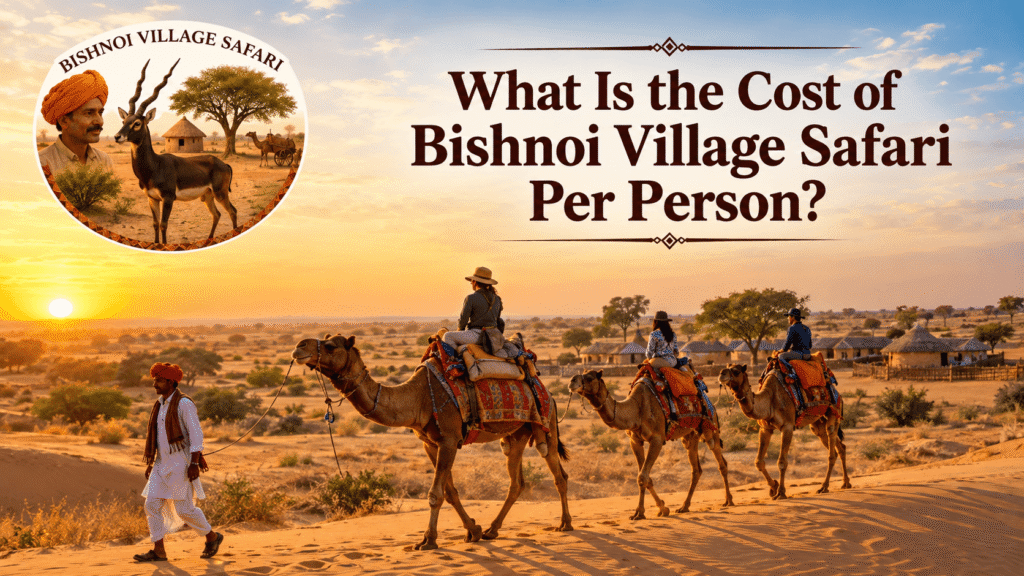
Rajasthan’s Blue City offers far more than forts and palaces, and a village trip is one of the most rewarding ways to see real desert life. If you are planning a budget, the first thing you will want to know is the bishnoi village safari cost per person. The good news is that this experience is affordable, flexible and easy to fit into any Jodhpur itinerary. In this guide, we break down typical prices, what is included, what changes the final bill and how to book smartly. By the end, you will know exactly what to expect and how to plan your spending without any surprises. Quick Answer: How Much Does the Tour Cost? Bishnoi village safari charges from Jodhpur usually fall between Rs 1,500 and Rs 3,000 per person for a standard half-day tour. On popular booking platforms, a five-hour trip with hotel pickup and visits to several villages is typically listed at Rs 1,999 to Rs 2,999 per adult. The price goes up if you choose a full-day plan, a private vehicle or extra activities. Treat these figures as a rough guide, since rates change with the season and demand. Before you pay, confirm the latest Bishnoi village safari charges and ask exactly what the quote covers. Shared Group Tour Pricing A shared tour is the budget friendly choice. You join a small group, split the vehicle cost and still meet potters, weavers, shepherds and Bishnoi families. Expect the lower end of the price range here, and note that children often receive a reduced rate. This format also suits solo travellers who enjoy meeting fellow explorers along the way. Small groups also mean more personal time with each host family. Private Jeep Tour Pricing A private Bishnoi village jeep safari is priced per vehicle, usually between Rs 3,500 and Rs 7,000 depending on duration and seating. For a family or a group of four to six people, the cost for each traveller can come close to a shared tour while giving you full control over stops, timing and photography breaks. What Does the Price Usually Include? Before comparing quotes, check what each price covers. A fair package usually offers the following: Entry to craft demonstrations is normally free, though you may want to buy handmade souvenirs directly from the artisans. Key Factors That Change the Cost Duration of the Trip Half day trips take around four to five hours and cost less. A full day adds more villages, a longer wildlife window and a meal, so the cost per person rises accordingly. Choose the length based on your interest in culture, photography and how much time you have in Jodhpur. Group Size and Vehicle Type Larger groups share the vehicle cost, which lowers the price for each traveller. Solo visitors usually pay more unless they join a shared departure. Open jeeps and comfortable seating can also affect the final quote. Season and Demand October to March is peak season, and prices can rise around Diwali, Christmas and New Year. Booking early helps you lock a better rate and your preferred morning slot. Weekday departures are often easier to customise as well. Nationality and Age Some operators offer separate rates for Indian and international guests, and children under a certain age often pay less. Ask about this while requesting your quote so there are no last minute changes. Add-Ons That Increase Your Budget Many visitors turn a simple village visit into a bigger adventure. A camel safari in Jodhpur at sunset is a popular add-on, especially when it is combined with scenic routes and traditional village activities. The slow ride across open land gives you a calm, memorable way to see rural Rajasthan. If you want a fuller outdoor experience, you can also book a desert safari in Jodhpur. It may include dune views, folk music and a campfire dinner under the stars. Photography stops, cooking demonstrations and homestay lunches can be added too. Decide which extras matter to you before booking, so you can pick an experience that matches your interests and travel plans. What to Expect on the Day of Your Tour? Morning Pickup and Village Drive Your host collects you from your hotel and drives towards the Salawas and Guda region, roughly 20 to 25 kilometres from the city. On the way you pass farms, Khejri trees and roadside craftsmen at work. Cultural Stops and Wildlife You then hop into an open jeep and meet potter, weaver and shepherd families, watch block printing and sit with a Bishnoi household for tea. Near Guda Bishnoi Lake you may spot blackbuck, chinkara, peacocks and migratory birds in winter, which makes it a joy for photographers. Best Time to Book and Plan Your Visit The cooler months from October to March are ideal, with pleasant weather and better wildlife sightings near water points. If you want more detail, read our guide on the best time to visit Bishnoi village before you finalise your dates. Morning departures are best for spotting blackbuck and chinkara, while late afternoon slots offer golden light for photos. Book at least 48 hours ahead in peak season. A Bishnoi village safari in Jodhpur booking is usually simple through a local operator, a hotel desk or a direct phone call. Wear light cotton clothes, comfortable shoes, a hat and sunscreen. Carry a refillable water bottle, a camera with a zoom lens and some cash for souvenirs, because small village shops rarely accept cards. Smart Ways to Save Money You do not need to compromise on quality to keep costs low. Choose a shared departure if you are travelling solo or as a couple. Book directly with a local operator instead of a third party marketplace, since commissions are often added to the price. Travel on weekdays and outside festival weeks, and pack water and snacks so you avoid buying them on the road. Ask for a clear written quote that lists inclusions, so you can compare Bishnoi Village Safari charges across providers without hidden extras.
Top 5 Thar Desert Camel Safari Routes to Explore from Jodhpur
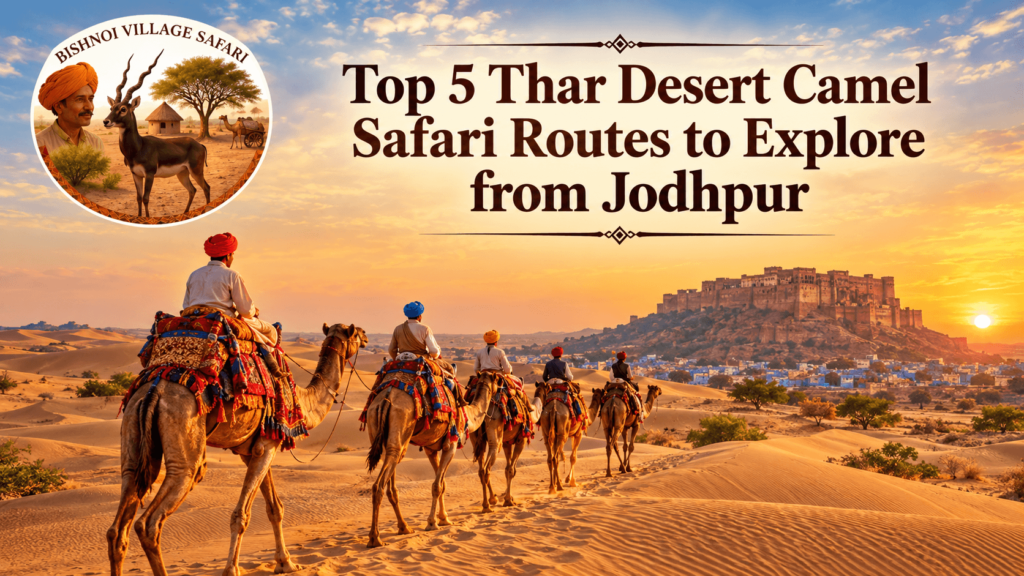
Rajasthan’s golden sands hold a kind of magic few places can match, and a Thar Desert Camel Safari in Jodhpur sits right at the heart of that magic. Every year, thousands of travelers land in the Blue City chasing the same dream: swaying camel backs, endless dunes, and sunsets that turn the sky orange and pink. But not every route delivers the same experience. Some trails stay close to the city, while others push deep into villages where life has barely changed in a century. This guide breaks down the top 5 routes so you can pick the one that matches your trip, along with real distances and practical tips. Jodhpur itself makes a smart starting point for any of these journeys. The city sits well connected by rail, road, and air, so travelers can land in the morning and be on a camel by afternoon. Its blue-washed lanes and the towering Mehrangarh Fort also give visitors a reason to stay a day or two before or after the desert leg of the trip. Thar Desert Safari Routes Worth Exploring Near Jodhpur Jodhpur works as the perfect base for several desert trails, and among the best-known Thar Desert safari routes, two stand out for first-time visitors. Some routes suit a quick half-day ride, while others stretch into full afternoons of dune-hopping. New visitors often start with routes closer to the city before venturing further out. Below are the first two routes on our list, both easy to book and ideal for a first desert experience. Route 1: Jodhpur to Osian, A Two-Hour Ride Through Ancient Dunes Osian sits roughly 65 kilometers from Jodhpur, making it one of the closest desert stops available. Known for its ancient temples and rolling dunes, Osian offers a two to three hour camel ride that ends with a classic desert sunset. Many first-timers pick this route because the drive out and back fits easily into a single day. Camel handlers here are experienced with beginners, so nervous riders adjust quickly. Route 2: Jodhpur to Khimsar, Fort Views and Taller Dunes Khimsar lies about 90 kilometers from Jodhpur and adds a historic fort to the mix. The dunes here are taller and more photogenic than Osian’s, which explains why photographers often choose this stretch. Camel rides typically last around two hours, timed to reach the highest dune before sunset. Khimsar suits travelers who want dunes that look like postcard images, without committing to an overnight stay. Jodhpur to Thar Desert Distance for Every Route Distance changes everything about a desert trip, and the Jodhpur to Thar desert distance varies a lot depending on which route you pick. Shorter routes near Bishnoi villages sit under 40 kilometers away, while routes near Jaisalmer stretch past 250 kilometers. Knowing the distance helps you plan travel time, meals, and whether an overnight stay makes sense. The next two routes show just how wide that range can get. Route 3: Jodhpur to Bishnoi Village, Culture Along the Camel Trail The Bishnoi villages sit only 25 to 40 kilometers from Jodhpur, among the shortest desert rides on this list. This route trades tall dunes for something rarer: a living community known for protecting wildlife and khejri trees for centuries. Local operators such as Bishnoi Village Safari run guided camel rides through this stretch, weaving in visits to potter families and opium ceremony demonstrations. Blackbucks and chinkaras often graze nearby, undisturbed by visitors. Route 4: Jodhpur to Sam Sand Dunes, the Longest Ride on the List Sam Sand Dunes near Jaisalmer sit roughly 285 kilometers from Jodhpur, making this the longest route on the list. Most travelers combine it with a Jaisalmer trip rather than a same-day Jodhpur outing. The payoff is scale, with dunes stretching for kilometers in every direction and camel safaris often paired with overnight desert camps. Budget a full day, or better, an overnight stay, if this route is on your list. Multi-Day Camel Trek Rajasthan Options for Longer Adventures Some travelers want more than a few hours on camelback, and that is where longer trips come in. These trips involve two or three nights camping in the open desert, cooking over open fires, and covering ground that a day trip simply cannot reach. Whether you choose a short ride or a longer one, a Thar Desert Camel Safari in Jodhpur adjusts easily to your schedule and comfort level. Group sizes for these longer trips usually stay small, often between four and eight riders, which keeps the pace relaxed and lets guides pay attention to each camel. Costs run higher than a half-day ride, largely because they include meals, tents, and a support vehicle carrying water and supplies for the whole route. Route 5: Jodhpur to Damodara, Two Nights Under the Open Sky Damodara village, around 45 kilometers from Jodhpur, works as a launch point for longer treks that push further into the desert over two to three days. Riders camp under open skies, eat meals cooked by local guides, and cover 15 to 20 kilometers a day at a relaxed pace. This kind of multi-day camel trek Rajasthan route suits travelers chasing something slower than a typical tourist itinerary. Nights get cold even in summer, so packing layers matters more than most people expect. Desert Trekking Rajasthan Tips Before You Book Your Ride Before booking any of these routes, a bit of preparation goes a long way. Good desert trips depend on the right clothing, timing, and operator, not just the scenery. October through March offers the most comfortable temperatures, with daytime highs around 25 to 30 degrees Celsius. Booking at least a week ahead during peak season, from November to February, helps you avoid last-minute price hikes. What to Pack for a Comfortable Desert Ride? Pack light cotton layers for the day and a warm jacket for the evening, since desert temperatures can swing by 15 to 20 degrees Celsius between noon and midnight. Sunglasses, a wide-brim hat, and sunscreen with SPF 30 or higher protect
What Is the Best Time for a Desert Safari in Jodhpur?
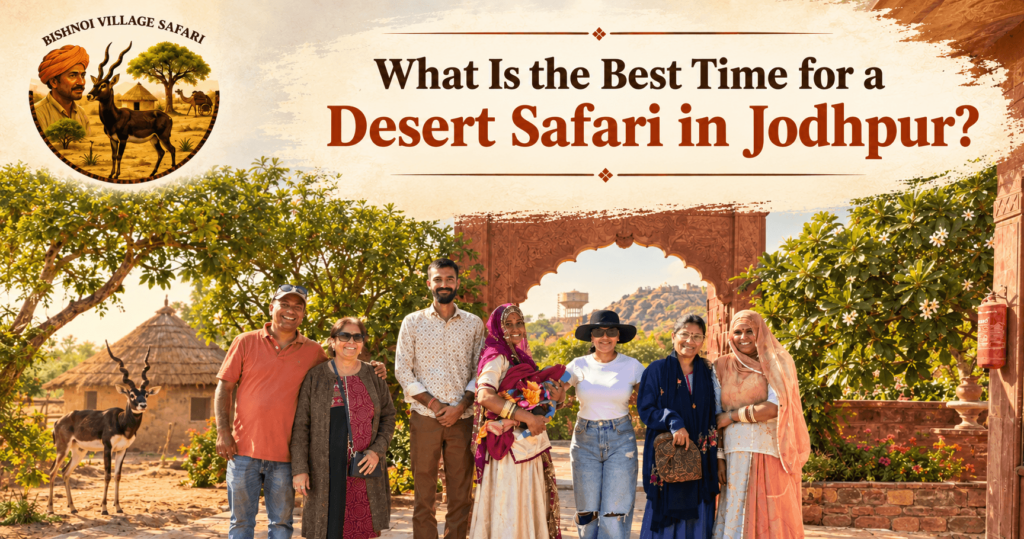
If you are planning a Desert Safari in Jodhpur, timing your trip right can make the difference between a magical evening and an uncomfortable one. The Thar Desert swings between extremes, from crisp winter mornings to scorching summer afternoons, and the season you choose shapes everything from camel comfort to sunset visibility. Most travelers assume any month works for a desert trip, but weather, temperature, and tourist crowds all shift dramatically across the year in Rajasthan. This guide breaks down the weather patterns, the best months to visit, and how temperature affects your ride, so you can plan a trip that matches exactly what you are looking for in 2026. Jodhpur Weather for Safari: What to Expect Round the Year? Understanding Jodhpur weather for safari planning starts with knowing that Rajasthan’s desert climate is dramatically seasonal. Days can swing from pleasantly warm to bitterly cold within the same 24 hours, especially in winter. Wind patterns also shift through the year, affecting visibility and comfort on the dunes. Knowing what a typical day looks like in your chosen month helps you dress correctly and choose the right time slot for your ride. Monthly Weather Overview October through February bring cool, dry days with clear skies, making them the most comfortable months for outdoor activity. March and April start warming quickly, while May and June are dominated by intense heat and dry winds. The monsoon months of July through September bring occasional rain and higher humidity, along with greener but less accessible desert terrain. September and early October act as a transition period, gradually cooling down as the peak season approaches. Even within a single month, temperatures can vary noticeably between the start and end of the week, so it always helps to check a short-range forecast right before you travel rather than relying on general seasonal averages alone. How Weather Shapes Your Safari Experience? Weather does more than affect comfort on a Desert Safari in Jodhpur, it also changes what you actually see and do. Clear winter skies mean better sunset colors and starlit evenings, while summer haze can dull visibility during the day. Wind speed affects how sand shifts on the dunes and how pleasant a camel ride feels. Rainy days can even pause activities altogether, so checking the forecast a day or two before your safari is always a smart move. Winter Desert Safari: Why It’s the Most Popular Choice? Visiting during the cool season is, by far, the most requested option among travelers heading to Jodhpur. From late October to early March, daytime temperatures sit in a comfortable range, and evenings cool down just enough for a cozy bonfire without becoming unbearable. This is peak tourist season for a reason: clear skies, manageable heat, and long stretches of pleasant weather make winter the easiest time to enjoy a full day or evening in the desert. What Makes Winter Ideal? Winter mornings and evenings offer soft light that is ideal for photography, while midday temperatures stay mild enough for extended activity without exhaustion. Camels themselves also handle winter conditions better, since extreme summer heat can affect their stamina and behavior. At Bishnoi Village Safari, our winter safari slots fill up fastest, so early booking during the December and January holiday weeks is strongly recommended. Packing Essentials for a Winter Safari If you are planning a desert safari in winter, a few packing essentials make the experience far more comfortable: Jodhpur Desert Temperature: Season-by-Season Breakdown Knowing the Jodhpur desert temperature across different months helps you decide not just when to visit, but what time of day to schedule your safari. Winter days generally stay mild while nights can dip sharply, sometimes close to freezing in December and January. Summer flips this pattern entirely, with scorching daytime heat that makes early morning or late evening safaris far more practical than a midday ride. Summer Temperatures: March to June Summer in Jodhpur is intense, with daytime temperatures regularly climbing well above comfortable levels and dry desert winds adding to the heat. Midday safaris during these months are best avoided altogether. Early morning or post-sunset rides are the only realistic way to experience the desert comfortably during peak summer, and even then, hydration and sun protection become essential rather than optional. Loose, breathable clothing in light colors also makes a noticeable difference, and carrying extra water for both yourself and your guide is always a good habit during these hotter months. Monsoon and Post-Monsoon Temperatures Monsoon months bring a noticeable drop in temperature compared to summer, along with occasional rain showers that can cool the desert air significantly. Humidity rises during this period, which can make the heat feel different even when the actual reading is lower than summer peaks. By late September, temperatures begin their steady decline, setting the stage for the comfortable conditions that define the winter season ahead. Best Season for Rajasthan Tourism: Planning Your Visit When travelers ask about the best season for Rajasthan tourism, the answer almost always points back to winter, and desert safaris are no exception. From October to March, comfortable temperatures align with clear skies, festival season, and the highest availability of guided tours and homestays across the region. This overlap is exactly why winter months see the highest number of visitors to Jodhpur and the surrounding desert areas. Peak Season vs Off-Season Travel Peak season, roughly November through February, brings the best weather but also the largest crowds and highest prices for tours and stays. Off-season months, particularly the monsoon period, offer lower prices, fewer tourists, and a quieter desert, though at the cost of heat or humidity depending on the month. Shoulder months like September and March strike a useful middle ground for travelers who want a balance of comfort and lower costs. Bishnoi Village Safari in Jodhpur adjusts timings seasonally, running earlier morning slots in summer and full evening safaris through winter, so you always get a comfortable ride regardless of when you visit. Matching the Season to Your Travel Style
How Much Does a Camel Safari in Jodhpur Cost in 2026?
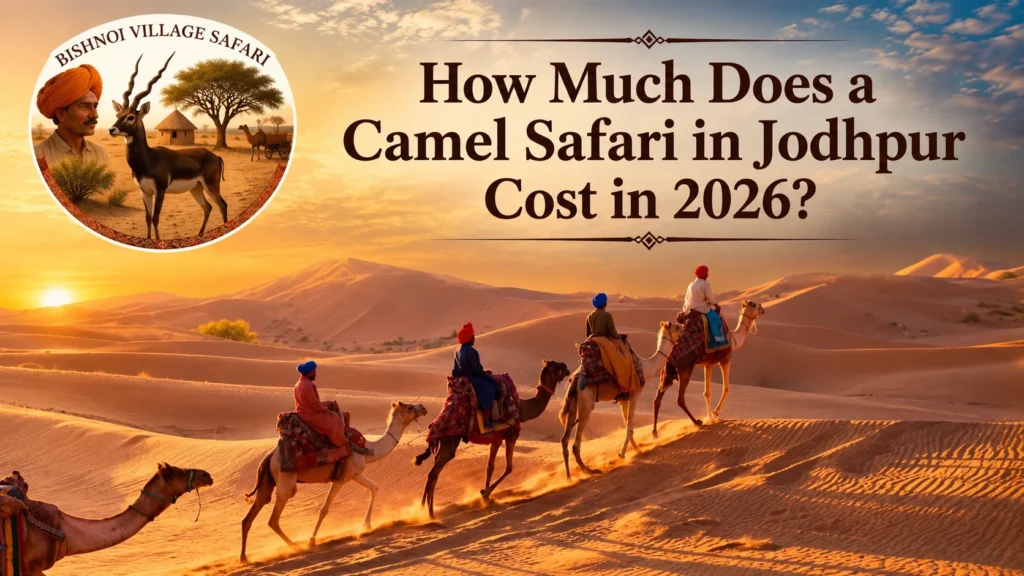
Planning a trip to the Blue City and wondering what a Camel Safari in Jodhpur actually costs in 2026? You are not alone. Desert adventures across Rajasthan have become one of the most searched experiences for travelers visiting Jodhpur, and prices can swing widely depending on the operator, the season, and what is bundled into your ride. Whether you are chasing a golden sunset over the dunes or planning a full evening with music and dinner under the stars, knowing the real cost breakdown helps you plan smartly and skip inflated tourist rates. This guide walks through package pricing, budget options, dinner safaris, and camp charges so you know exactly what to expect before you book. Camel Safari Package in Jodhpur: What’s Included in the Price A typical camel safari package in Jodhpur bundles a handful of essentials together: the camel ride itself, an experienced local guide, safety equipment, and usually a stop at a scenic dune point for photographs. At Bishnoi Village Safari, our packages range from a short sunset ride to a longer half-day excursion that weaves in village visits and cultural stops, so pricing depends heavily on how much ground you want to cover. Standard Package Inclusions Most operators price their camel safari around what is included rather than just the ride length. A basic package usually covers the camel, a guide, and a short desert loop. Mid-range packages add refreshments, a photo stop, and sometimes a folk music performance. Premium packages include transport from your hotel, a private guide, and extended time in the dunes. Reading the inclusions carefully before booking is the single best way to compare prices fairly across operators. Duration-Based Pricing: Half-Day vs Full-Day Duration is the biggest single factor behind cost. A one-hour sunset ride is the cheapest option and works well if you just want photographs and a taste of the desert. A half-day safari, typically two to three hours, costs more but adds village stops and deeper dune access. Full-day and overnight safaris, which include meals and sometimes camping, sit at the higher end of the price scale. Choosing the right duration for your interest level keeps you from overpaying for time you will not use. Other Factors That Influence the Overall Price Beyond duration, the overall Camel Safari in Jodhpur cost is shaped by the season, group size, and how far the safari route travels from the city. Peak winter months from October to March see higher demand and slightly higher rates, while the monsoon and peak summer months often bring discounted pricing. Larger groups typically pay less per person, since guide and transport costs are shared across the group. Cheap Camel Safari in Jodhpur: Budget-Friendly Options for 2026 If cost is your main concern, a budget-friendly desert ride is easy to find without sacrificing the core experience. The trick is knowing where operators cut costs sensibly, such as shorter routes or shared group timings, versus where cutting corners actually hurts safety or animal welfare. Choosing a reputable local operator over a resale agent is usually the easiest way to bring the price down. Group Safaris vs Private Safaris Group safaris are the most budget-friendly option because the cost of the guide, camel handler, and transport is split among several travelers. Private safaris cost more per person but give you flexibility on timing and pace, which suits couples or families who want a quieter experience. If your budget is tight, joining a scheduled group slot rather than booking a private one is the simplest way to save. At Bishnoi Village Safari, we run daily group slots through the season, which keeps our rates competitive without cutting corners on guide quality or camel welfare. For more on why travelers keep coming back, see our related read, Top 5 Reasons to Visit. Tips to Save Without Compromising the Experience A few practical habits keep a cheap camel safari in Jodhpur genuinely affordable instead of just cheap on paper: Camel Safari with Dinner: Sunset Rides and Desert Feasts Adding an evening meal to your ride is one of the most popular upgrades for travelers who want more than just a short trip. These evening safaris time your dune arrival with sunset, followed by a bonfire, live folk music, and a traditional Rajasthani meal served under the open sky. It turns a short activity into a full evening experience, which is why it commands a slightly higher price than a standalone ride. What a Dinner Safari Includes A typical dinner safari includes the camel ride to the dune camp, a bonfire setup, a folk music or dance performance, and a multi-course vegetarian or non-vegetarian Rajasthani dinner. Some operators also add a short cultural program or a stargazing session once dinner wraps up. Because more staff, food, and setup are involved, this option naturally costs more than a simple morning or afternoon ride. Average Cost of the Dinner Add-On Pricing for a camel safari with dinner generally sits well above a standalone ride, since it bundles transport, the meal, entertainment, and camp setup into one package. Group bookings bring the per-person rate down noticeably, while private or customized dinner setups sit at the premium end. Booking a day or two in advance during peak season also helps you lock in better rates before slots fill up. Desert Camp in Jodhpur Price: Overnight Stays and Add-Ons For travelers extending their evening into an overnight stay, understanding overnight stay pricing is just as important as the safari itself. Camps range from simple tented setups with basic bedding to well-appointed tents with attached bathrooms and proper furnishings. The price you pay reflects not just the tent quality but also the meals, entertainment, and transfers bundled into your overnight package. Camp Categories and Pricing Basic camps offer a simple tent, shared washroom facilities, and dinner, making them the most affordable overnight option. Deluxe camps step up with private bathrooms, better bedding, and a fuller entertainment program. Premium camps sit at the top end, offering spacious tents, personalized
How to Book a Bishnoi Village Safari in Jodhpur: Tips, Timing & Best Season
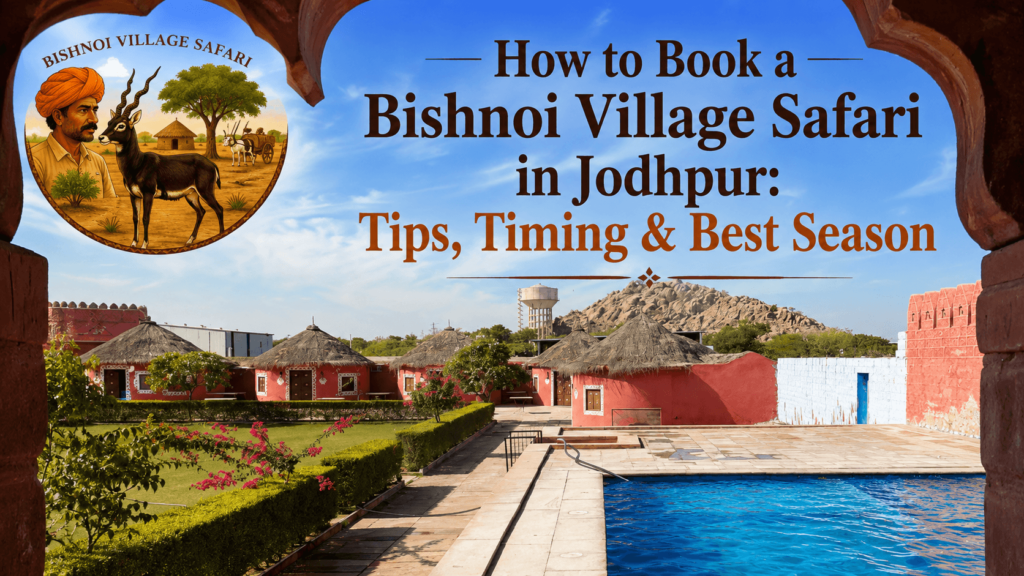
If you’re dreaming of camel trails, mud-walled huts, and blackbucks grazing under an open desert sky, Bishnoi Village Safari in Jodhpur deserves a spot on your Rajasthan itinerary. Away from the forts and bazaars of the Blue City, this safari takes you into the villages of Guda, Kakani, and Khejarli, home to the Bishnoi community, an eco-conscious sect that has protected local wildlife and greenery for over five centuries. Before you pack your bags, though, you need to know when to visit, how long to plan for, and how to book the right tour. This guide covers everything you need, from the best season to visit, to booking steps, safari duration, and pricing, so your trip runs smoothly from the very first click. Best Time To Visit Bishnoi Safari in Jodhpur Choosing the right season can make or break your desert experience. The best time for Bishnoi safari visits is between October and March, when daytime temperatures hover between 15°C and 28°C, ideal for jeep rides and village walks without the harsh summer heat. Winter Months (October to February) Winter is the busiest and most comfortable season. Mornings are crisp, evenings are cool enough for a bonfire, and wildlife sightings of blackbucks, chinkaras, and migratory birds around Guda Lake are at their peak. This is also when the region hosts its famous fairs and festivals, adding an extra layer of culture to your trip. Shoulder Season (March and September) If you prefer fewer crowds, March and September offer a good compromise. Temperatures start climbing but remain tolerable in the early morning and late afternoon, when most safaris are scheduled anyway. Summer (April to June) Summer in Jodhpur is intense, with temperatures often crossing 40°C. Safaris are still possible if you book early morning slots, but most travelers choose to skip this window unless it’s their only option. Whatever month you pick, aim for early morning or late afternoon departures, when wildlife is most active and the desert light is best for photography. A Quick Note on Monsoon (July to September) The monsoon brings short, unpredictable showers and a burst of green to the usually arid landscape. Wildlife sightings can be trickier since animals scatter across freshly watered patches, but the cooler air and dramatic skies make for striking photographs if you don’t mind carrying a light raincoat. Jodhpur Safari Booking: A Step-by-Step Process Jodhpur safari booking doesn’t have to be complicated, but a little planning goes a long way, especially during peak season when slots fill up fast. Step 1: Decide on Dates and Group Size Start by fixing your travel dates and the number of travelers. Most operators offer private jeeps for families and small groups, while larger groups may need to split across vehicles. Step 2: Book Directly or Through Your Hotel You can book your jodhpur village tour directly through the operator’s website, by phone, or through your hotel’s concierge desk. Booking directly usually gives you better control over timing and pickup points. Step 3: Confirm Pickup and Itinerary Once booked, confirm your hotel pickup time, the villages you’ll visit (commonly Guda, Kakani, and Khejarli), and whether lunch or refreshments are included. Step 4: Ask About Group Discounts Families or friend groups traveling together should always ask about combined rates. Many operators reduce the per-person cost once you cross four or five travelers, and some throw in a complimentary craft demonstration or an extra village stop for larger bookings. Step 5: Carry the Essentials Pack sunscreen, a hat, comfortable shoes, and a camera. Cash for tips and small purchases from local artisans is also handy, since many village stops don’t accept cards. For a smooth jodhpur village tour it’s worth booking at least two to three days in advance during winter, and even earlier if you’re traveling during a festival week. Village Safari Duration, Bishnoi Safari Price & What’s Included? Understanding village safari duration and cost upfront helps you plan the rest of your day in Jodhpur. How Long Does the Safari Take? Most tours run as half-day trips lasting four to five hours, though full-day options are available if you want to add a leisurely lunch with a local family or extra time for photography. What’s Typically Included? Understanding Bishnoi Village Safari Charges Bishnoi village safari charges typically ranges from budget shared jeep tours to premium private packages that include meals and extended village visits. Prices vary based on group size, vehicle type, and whether meals are included, so it’s worth confirming exact inclusions before you pay. Private tours cost more than shared ones but offer flexibility in pacing and stops, which matters if you want extra time for photos or conversations with artisans. Half-Day vs Full-Day: Which Should You Pick? A half-day trip suits travelers with a packed Jodhpur itinerary who still want a taste of village life and a couple of wildlife sightings. A full-day option makes sense if you want unhurried conversations with weavers and potters, a proper sit-down lunch, and time to watch the desert light change from harsh midday sun to a soft golden evening glow. Tips to Get the Best Value Compare a couple of operators before booking, ask exactly what’s included in the quoted rate, and confirm whether tips for guides and drivers are expected separately. Booking a shared jeep with other travelers is the most budget-friendly route, while a private vehicle costs more but lets you set your own pace. Jeep Safari in Rajasthan: Combining Your Village Visit with Other Adventures A jeep safari in Rajasthan doesn’t have to stop at the Bishnoi villages. Many travelers pair their village visit with dune-bashing near Osian or a longer desert circuit that includes sand dunes, temples, and rural markets. Pairing with a Camel Safari If you want a slower, more traditional experience, add a camel ride through the dunes before or after your village visit. The gentle pace lets you take in details, thatched huts, grazing goats, and the changing colors of the desert, that a jeep can rush
Why is the Bishnoi Village Safari Jodhpur a Must-Do Experience in 2026?
Rajasthan tourism is shifting away from crowded forts and palace queues, and more travelers are asking a simple question: where can I see how people in the desert actually live? That is exactly why the Bishnoi Village Safari in Jodhpur keeps showing up on 2026 travel lists. It is a half-day jeep tour through shepherd hamlets, weaver colonies, and potter settlements just outside the city, guided by locals who grew up in these villages. If you are weighing whether to add this to your Jodhpur itinerary, here is what makes it worth the detour, straight from the team at Bishnoi Village Safari. What Makes This an Authentic Rajasthan Village Tour? Most travelers researching the Bishnoi Village Safari in Jodhpur want to know one thing: is it staged for tourists, or is it real? The honest answer is that this route was a working rural circuit long before it became a tour. An authentic Rajasthan village tour does not follow a script, it follows the villages themselves, stopping wherever there is something genuine happening, whether that is a shepherd bringing goats in from grazing or a family repairing a loom. You are riding in an open jeep with a local guide, not a bus full of forty strangers, which keeps the pace unhurried and the interactions real. That difference, more than anything else, is what separates an authentic Rajasthan village tour from a typical sightseeing stop. Planning an Overnight Stay If a half-day safari leaves you wanting more, extending the trip into an overnight stay is worth considering. Our earlier guide to the homestay experience at Bishnoi Village Safari covers what a night in the village actually looks like, from the food to the quiet after the jeeps head back to town. Why the Jeep Format Matters? The choice of an open jeep over a coach is not just a comfort decision, it shapes the whole experience. Jeeps can pull over the moment a guide spots a blackbuck herd or a family starting a craft demonstration, something a larger vehicle simply cannot do on narrow village lanes. Groups typically stay small enough that everyone can ask questions directly, rather than straining to hear a guide over a microphone at the front of a bus. For travelers who have done a few group tours in India already, this format alone is usually the biggest difference they notice. Getting to Know Bishnoi Tribe Culture Understanding Bishnoi tribal culture is central to why this safari feels different from a standard desert tour. The Bishnoi community follows twenty-nine core principles set out around five hundred years ago by their spiritual leader, Guru Jambheshwar, many of which focus on protecting trees, water, and wildlife. That is why blackbucks and chinkaras wander close to homes without fear, and why cutting a green tree is still treated as a serious offense within these villages. Guides walk you through this history at an actual Bishnoi household, not from a plaque or a brochure, so Bishnoi tribal culture comes across as something lived, not displayed. Guru Jambheshwar and the 29 Principles Guru Jambheshwar founded the Bishnoi faith in the late fifteenth century, laying down twenty-nine principles that cover everything from daily hygiene to strict wildlife protection. Several rules ban the felling of green trees and the killing of animals outright, centuries before conservation became a global movement. Guides typically share a few of these principles during the safari, along with the story of the Khejarli massacre, where hundreds of Bishnois died protecting trees from being cut down. A Conversation, Not a Performance It is worth repeating that none of this is arranged as a show. Families continue their normal routines while guides translate and add context, so questions about food, farming, or faith get honest, unrehearsed answers. Some visitors are surprised by how willing Bishnoi families are to talk about the Khejarli sacrifice or their views on modern conservation, given how personal that history still is. It is this openness, more than any single stop on the route, that tends to stay with travelers long after the trip ends. A Stop at the Weaver Village in Jodhpur No visit is complete without stopping at Salawas, the weaver village in Jodhpur best known for handmade durries. Watching a family work a traditional loom, thread by thread, gives you a much better sense of the effort behind these rugs than any showroom display could. Most tours also let you buy directly from the weavers at Pukh Raj Durry Udhyog, cutting out the middleman entirely. Visiting the weaver village in Jodhpur on this route is usually paired with a stop at a block-printing workshop in Kankani, so textile lovers get two crafts in one afternoon. Other Village Stops Worth Your Time The Potter Village in Jodhpur The final art and craft tour is usually the potter village in Jodhpur, where families still shape clay on hand-turned wheels the way their grandparents did. You can watch the entire process, from raw clay to a finished pot drying in the sun, and most potters are happy to let visitors try the wheel themselves. It is a slower, quieter stop compared to the weaving village, but it rounds out the safari’s focus on disappearing crafts. Skipping the potter village in Jodhpur would mean missing one of the few places near Jodhpur where this centuries-old skill is still taught hand to hand. Why Eco-Tourism in Rajasthan Starts Here? Eco-tourism in Rajasthan is often talked about more than it is practiced, but this safari is one of the clearer examples of it working. The Bishnoi community’s own conservation ethic means wildlife sightings happen without any artificial baiting or enclosures, and tourism revenue goes directly to the families running homestays, jeep transport, and craft workshops rather than large operators. For travelers who care about where their money goes, this model of eco-tourism in Rajasthan is as important as the sightseeing itself. It is also why Bishnoi Village Safari continues to attract repeat visitors who want their trip to
Bishnoi Village Safari Jodhpur: A Local Guide to Rajasthan’s Real Side
Who Are the Bishnois, Anyway? The Bishnoi community was founded in the 15th century by Guru Jambheshwar, who laid down 29 core principles for his followers to live by (the name “Bishnoi” comes from “bees noi,” meaning twenty-nine in the local dialect). Many of these principles are about protecting wildlife and forests, and the community has taken that seriously for centuries. The most famous example is the Khejarli massacre of 1730, when 363 Bishnoi villagers — led by a woman named Amrita Devi — died hugging Khejri trees to stop the Maharaja’s soldiers from cutting them down for a palace construction project. That story alone is worth the drive out, and you can still visit Khejarli village today. What makes a visit here different from most tourist stops is that the Bishnois still live exactly by these values. Blackbucks and chinkaras wander freely near their homes, nobody hunts them, and the villagers treat this coexistence as completely normal rather than a spectacle. If you are planning a trip to Jodhpur and want more than forts and palaces, the Bishnoi Village Safari Jodhpur is the experience worth adding to your itinerary. This half-day tour takes you deep into the desert villages surrounding Jodhpur, where shepherd families, potters, weavers, and the Bishnoi community still live by traditions that go back centuries. Unlike typical city sightseeing, this safari is built around real village life, close wildlife encounters, and hands-on craft demonstrations. Whether you are visiting Rajasthan for the first time or returning for a deeper cultural experience, this guide walks you through everything you need to know before you book with Bishnoi Village Safari. Exploring the Bishnoi Village Experience: Rajasthan’s Wildest, Realest Adventure When people search for the Bishnoi Village Safari in Jodhpur, the jeep safari through desert villages is usually the first activity they find, and for good reason. The Bishnoi village jeep safari is the heart of this tour, and it is designed to feel personal rather than rushed. You are picked up from your hotel or homestay in an open jeep, and the first stop is usually a shepherd’s village where families still herd goats, sheep, and camels the way their ancestors did. From there, the route moves through Guda village, known for its lake and resident blackbucks, before continuing to Kankani, home to skilled block printers, and Salawas, the weaving village famous for handmade durries. Lunch is typically shared with a local family, giving you a rare, unscripted look at everyday Rajasthani hospitality. Every stop on this route is guided, so nothing feels like guesswork, and the jeep safari ends with plenty of time to relax before heading back to Jodhpur. What Makes This Jeep Safari Different? Many desert tours in Jodhpur focus on dunes and camel rides, but this one is different because it centers on people, not just scenery. Groups stay small, jeeps stop wherever guides notice something worth explaining, and there is no fixed script forcing you through stops at a set pace. That flexibility means two safaris on the same day can look completely different depending on what the guide notices, whether it is a flock of demoiselle cranes overhead or a family willing to demonstrate pottery techniques passed down for generations. Best Time to Book Your Safari August through March offers the most comfortable weather for this tour, with cool mornings that make the open jeep ride pleasant and wildlife more active. Summer visits are still possible, but an early morning start is essential to avoid the desert heat. Group bookings receive better rates, and travelers staying at the on-site homestay often get discounted packages. Booking a day or two in advance is recommended during the winter tourist season, when slots fill up quickly. Understanding the Bishnoi Community To really appreciate this safari, it helps to understand what the Bishnoi community in Jodhpur is built around. The Bishnoi people follow twenty-nine principles laid down by their spiritual leader, Guru Jambheshwar, roughly five hundred years ago. Many of these principles focus directly on protecting trees and animals, which is why blackbucks, chinkaras, peacocks, and other wildlife move freely and without fear through Bishnoi land. This is not a performance for tourists, it is a way of life that predates modern conservation movements by centuries. Visiting a Bishnoi household during the safari usually means sitting on the floor of a mud house, sharing tea, and listening to stories about the community’s history, including the famous Khejarli sacrifice, where hundreds of Bishnois gave their lives to protect trees from being cut down. This kind of hospitality, extended so openly by the Bishnoi community Jodhpur, is one of the most memorable parts of the entire trip. Daily Life in the Villages Beyond conservation, daily life in these villages revolves around farming, livestock, and close-knit family structures. Women are often seen managing households and livestock, while men handle farming and trade. Homes are simple, built from mud and thatch, and designed to stay cool through the desert heat. Children often help with smaller chores like feeding goats or fetching water, and it is common for visitors to be invited to sit and chat over chai, even without a shared language. Spending even an hour here gives visitors a far more grounded picture of rural Rajasthan than any museum could. Why Rural Tourism in Rajasthan Thrives Around These Villages? Rural tourism Rajasthan has grown steadily over the past decade, and the villages around Jodhpur are a big reason why. Travelers are increasingly looking for experiences that go beyond monuments, and this cluster of villages delivers culture, craft, and nature in a single half-day trip. Each village specializes in something different, which keeps the tour varied instead of repetitive, and instead of choosing between culture and nature, visitors get both in one route. Villages You Will Visit This mix of stops is exactly why rural tourism in Rajasthan continues to expand here. It gives independent travelers, families, and photographers a reason to spend a full day outside the city instead
Homestay in Bishnoi Village Safari: An Authentic Rajasthan Experience
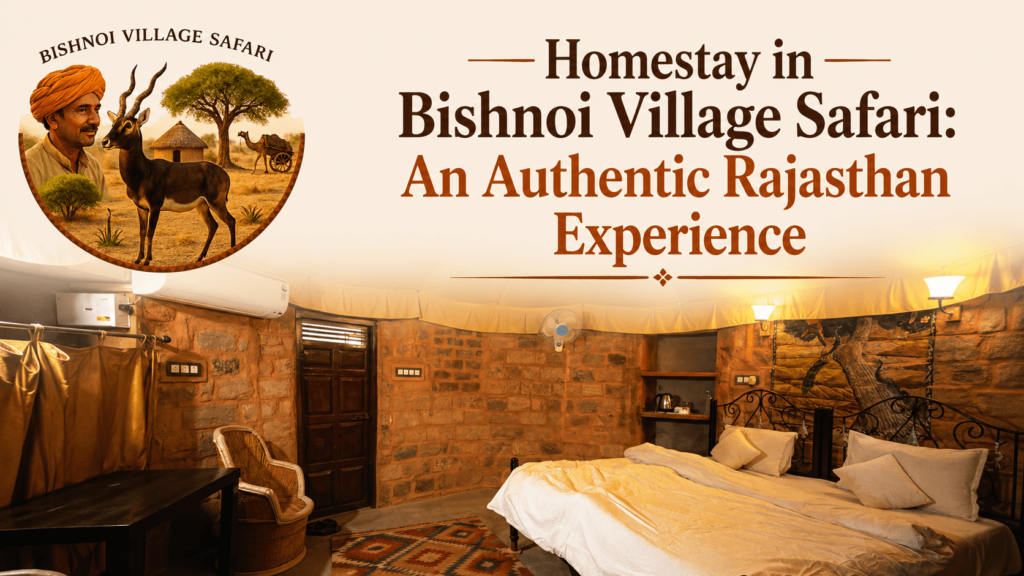
Nestled in the heart of Rajasthan, Bishnoi Village offers travelers a unique blend of cultural immersion, serene landscapes, and exhilarating desert adventures. From traditional art and craft tours to exciting camel safaris, the Bishnoi Village Safari is an unmissable experience for those visiting Jodhpur. This guide explores everything you need to know about the homestay experience in Bishnoi Village, including cooking classes, jeep safaris, and more. What is Bishnoi Village Safari? Bishnoi Village Safari is a cultural and eco-tourism initiative that allows visitors to delve into the traditions and lifestyle of the Bishnoi community. Known for their deep-rooted environmental conservation practices, the Bishnoi people welcome travelers to their villages to experience their way of life. The safari offers an array of activities, including art and craft tours, desert safaris, and homestays, making it one of the best ways to explore rural Rajasthan. Highlights of Bishnoi Village Safari Jodhpur The Bishnoi Village Safari Tour Jodhpur Experience The Bishnoi Village Safari tour in Jodhpur is meticulously curated to offer a balanced mix of cultural, natural, and adventurous experiences. The tour typically includes: Why Choose a Homestay in Bishnoi Village? Tips for Planning Your Bishnoi Village Safari Conclusion The Bishnoi Village Safari Jodhpur offers an unparalleled opportunity to connect with Rajasthan’s cultural roots while enjoying the thrill of desert adventures. Whether you’re exploring the dunes on a camel safari, learning traditional crafts, or savoring local delicacies during a cooking class, this experience is sure to leave you with lasting memories. Make your trip unforgettable by staying in a homestay in Bishnoi Village, where hospitality meets tradition. Plan your visit today and embark on a journey of discovery and adventure. For those seeking an authentic and immersive travel experience, the Bishnoi Village Safari tour in Jodhpur is the perfect choice. From cultural insights to thrilling jeep safaris, it’s a destination that truly has it all. Our Location